
Mafia Island
Mafia Island is a quiet island off the coast of Tanzania, south of Zanzibar. Its reefs and slow fishing villages make it a place of peace.
Quick Facts
- Location: Indian Ocean, off the coast of Tanzania, south of the island of Zanzibar
- Size: about fifty kilometres long and about fifteen kilometres wide
- Main town: Kilindoni, on the south-west coast, the port and the administrative centre
- Population: about fifty thousand people, most of them fishers and farmers
- Region: Pwani Region of Tanzania, not part of the Zanzibar archipelago
- Famous for: the Mafia Island Marine Park, the whale sharks, the coral reefs
- Marine park: established in nineteen ninety-five, the first marine park in Tanzania
- Nearest World Heritage: the ruins of Kilwa Kisiwani and Songo Mnara, about one hundred and twenty-seven kilometres south-south-west in a straight line
Travel to Mafia Island
Mafia Island is reached by boat and by air from Dar es Salaam, the largest city of Tanzania. The flight from Dar es Salaam takes about forty minutes, and the small airport at Kilindoni receives several flights a week. The ferry from Dar es Salaam takes longer, and the crossing depends on the weather and the tide. Most visitors fly, because the ferry is slow and the sea can be rough.
The island has no cars to speak of, and the roads are sandy tracks between the villages. The main road runs from Kilindoni on the south-west coast to the north of the island, and the villages lie along it. Visitors move by bicycle, by motorbike and by boat, and the lodges arrange transport from the airport. The island is small, and the villages are close together, so a bicycle is the best way to see it.
The best time to visit Mafia Island is the dry season, from June to October, when the sea is calm and the visibility is good. The whale sharks come to the island from October to March, and the best months to swim with them are from November to February. The rains fall from March to May, and the island is quiet then. The sea is warm all year, and the diving is good in the dry months.
The island is quiet and safe, and the villages are friendly. The lodges are small and spread along the coast, and the island has no large hotels. The food is simple, with fish, rice, coconut and fruit from the island. The water is clear, and the beaches are white sand. Bring cash, because the island has few banks and few card machines, and bring a torch, because the villages have little street lighting.
From Mafia Island you can visit the smaller islands of the archipelago by boat. Juani, Jibondo, Chole and Bwejuu lie to the south and east of the main island, and they are reached by dhow. The archipelago has nine islands in total, and the smaller islands have villages, mangroves and beaches. The marine park covers the southern part of the archipelago, and the reefs around the islands are protected.

Mafia Island or “Chole Shamba” (Tanzania) — CC BY 2
Geography of Mafia Island
Mafia Island lies in the Indian Ocean off the coast of Tanzania, south of the island of Zanzibar and east of the Rufiji delta. The island is about fifty kilometres long and about fifteen kilometres wide, and it is the third largest island in the waters of Tanzania, after Unguja and Pemba. The Mafia Channel, about twenty kilometres wide, separates the island from the mainland. The island is low and flat, and the highest point, Ras Mkumbi, is only about four and a half metres above the sea.
The island is surrounded by coral reefs, and the reefs are among the best in East Africa. The Mafia Island Marine Park covers the southern part of the island and the waters around it, and it protects the reefs, the mangroves and the seagrass beds. The park was established in nineteen ninety-five, and it was the first marine park in Tanzania. The park covers about eight hundred and twenty-two square kilometres, and it includes the islands of Juani, Jibondo, Chole and Bwejuu.
The climate of Mafia Island is tropical, with warm temperatures all year. The average temperature at Kilindoni is about twenty-six point seven degrees Celsius, and the rain falls mostly in the wet season from March to May. The island receives about one thousand seven hundred and five millimetres of rain a year, and the wettest month is April, with about four hundred and eighty-two millimetres. The driest month is September, with about twenty-two millimetres. The sea is warm, and the wind blows from the south-east in the dry season and from the north-west in the wet season.
The island is covered in coconut palms, cashew trees and mangroves, and the interior is farmed with rice, cassava and fruit. The mangroves line the bays and the channels, and they are home to many birds and fish. The island is an important bird area, covering about one hundred and fifteen thousand hectares, and it is visited by migratory birds from the north. The beaches are white sand, and the reefs are close to the shore.
The main town of Kilindoni lies on the south-west coast, on a bay sheltered from the wind. The town is the port of the island, and the ferries and the fishing boats anchor there. The town has a market, a hospital and a small airport, and it is the administrative centre of the island. The villages are spread along the coast and the interior, and they are small and built of coral stone and thatch. The island has about fifty thousand people, and most of them are fishers and farmers.
The sea around Mafia Island is rich in fish, and the reefs are home to many species. The whale sharks come to the island from October to March, and they feed on the plankton in the bay. The island is one of the best places in the world to swim with whale sharks, and the season is from November to February. The reefs are also home to turtles, dolphins and many kinds of coral, and the diving is among the best in East Africa.
The reefs around Mafia Island are among the best in East Africa, and they are protected by the marine park. The coral is healthy, and the fish are many, with turtles and dolphins common in the bay. The reefs lie close to the shore, and the snorkelling is good from the beaches. The diving is best in the dry season, when the sea is calm and the visibility is good.
The mangroves of the island line the bays and the channels, and they are home to many birds and fish. The mangroves protect the coast from the waves, and they are a nursery for the fish of the reefs. The island is an important bird area, and the migratory birds come from the north in the winter. The mangroves are protected by the park, and the villages take part in their protection.
The fishing villages of the island are the heart of Mafia, and the dhows leave in the morning for the sea. The fishers use nets and lines, and the catch is sold in the market at Kilindoni. The boats from Dar es Salaam bring the supplies to the island, and the ferries carry the people. The life of the island is slow, and the sea decides the day.
The Rufiji delta lies west of the island, on the mainland, and it is one of the largest deltas in East Africa. The delta is a maze of channels and mangroves, and it is home to many birds. The Mafia Channel separates the island from the delta, and the water is shallow. The delta is a place of great beauty, and the boats from the island visit it.
The ruined mosque of Chole stands on the small island east of Mafia, and it is one of the oldest on the coast. The mosque was built of coral stone, and it is now overgrown. The island is reached by boat, and the village is quiet. The ruins are a reminder of the Swahili trade, and few visitors see them.
The whale sharks of Mafia are studied by researchers from all over the world, and the island is a centre of their science. The sharks are tagged and tracked, and the data is shared. The lodges work with the researchers, and the guides know the sharks by sight. The research protects the sharks, and the tourism pays for it.
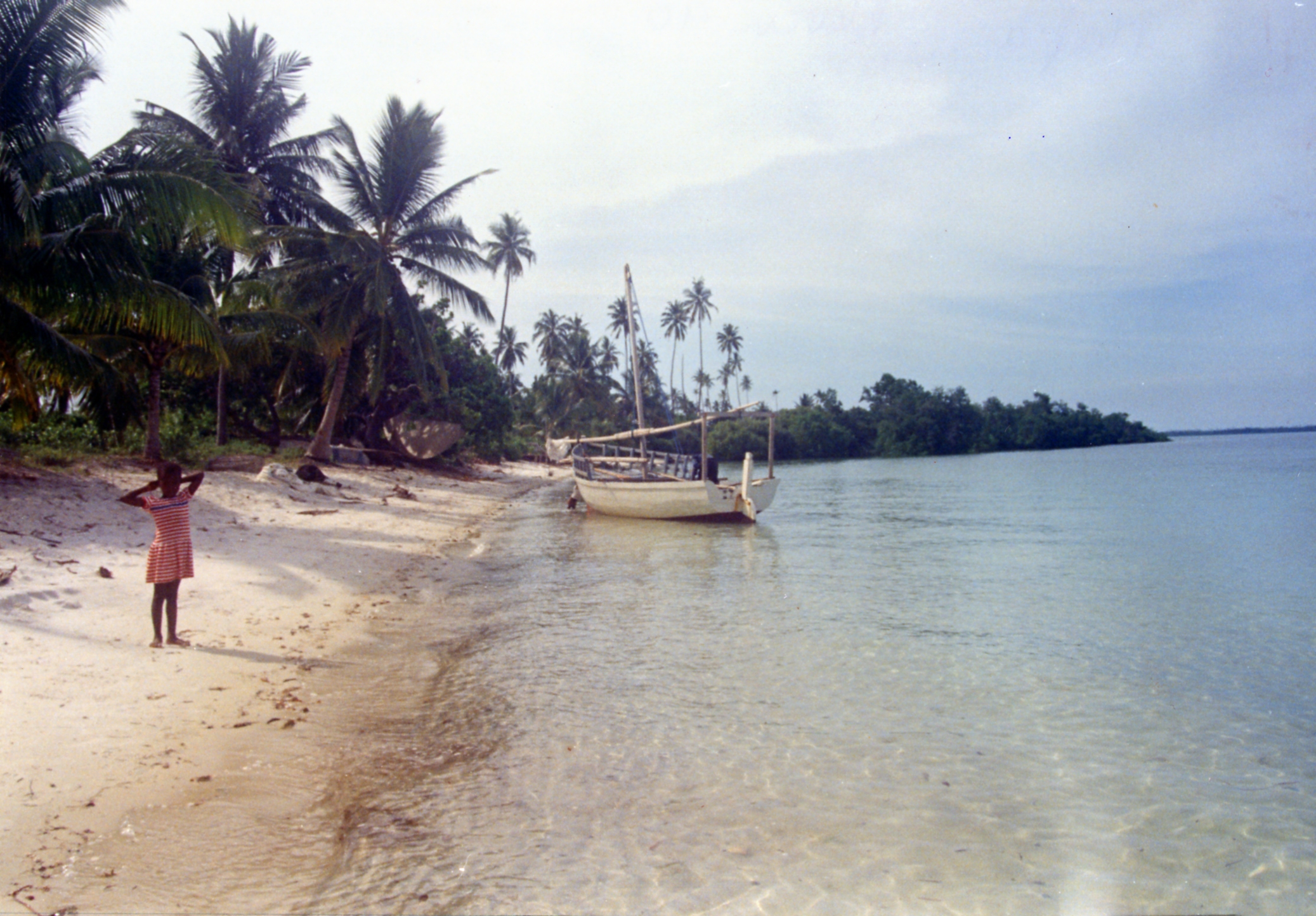
Beach on Mafia Island , Indian Ocean, Tanzania — CC BY 2
History of Mafia Island
Mafia Island has a long history as a trading island on the East African coast. The island was settled by Swahili traders, and it was part of the trading network that linked the coast to Arabia and to India. The island traded in ivory, in slaves and in spices, and the towns of the island were built of coral stone. The ruins of Kua, on the island of Juani, are the remains of a Swahili town that was abandoned in the nineteenth century.
The island was ruled by the Sultan of Zanzibar in the nineteenth century, and the sultan’s officials governed the island from Kilindoni. The island was a centre of the slave trade, and the dhows carried slaves from the mainland to the island and then to Zanzibar. The island was also a centre of the ivory trade, and the traders of the island were rich. The island was visited by the German explorer Ludwig Krapf in the eighteen forties, and the Germans took control of the island in the eighteen eighties.
The Germans ruled the island as part of German East Africa, and they built the first administrative buildings in Kilindoni. The island was occupied by British forces in the First World War, and the British took control of the island in nineteen fifteen. The island became part of the British mandate of Tanganyika, and it remained under British rule until independence in nineteen sixty-one. The island became part of the United Republic of Tanzania in nineteen sixty-four.
The Mafia Island Marine Park was established in nineteen ninety-five, and it was the first marine park in Tanzania. The park was created to protect the reefs and the mangroves, and to help the fishing villages of the island. The park is managed with the villages, and the fishers of the island take part in the protection of the reefs. The park has become a model for marine protection in East Africa, and it is visited by researchers from all over the world.
The island has remained quiet and little visited, and the villages have kept their traditional way of life. The fishers still use dhows, and the farmers still grow rice and cassava. The island has no large hotels, and the lodges are small and locally owned. The island is known for its whale sharks, and the season brings visitors from all over the world. The island is one of the most peaceful places on the coast, and it is a refuge from the crowds of Zanzibar.
The ruins of Kua, on Juani, are the most important historical site of the archipelago. The town was built in the eighteenth century, and it was abandoned in the nineteenth century. The ruins include a mosque, a palace and houses of coral stone, and they are surrounded by baobab trees. The town was a centre of the trade in the eighteenth century, and it was abandoned when the trade moved to Kilindoni. The ruins are now overgrown, and they are visited by few people.
Today Mafia Island is a quiet island of fishers and farmers, with a marine park and a growing number of visitors. The island is known for its reefs, its whale sharks and its slow pace of life. The island is in the Pwani Region of Tanzania, and it is not part of the Zanzibar archipelago. The island is a place of peace, and it is one of the least visited islands on the East African coast.
The Swahili traders built the towns of the archipelago, and the ruins of Kua are the remains of one of them. The town was built in the eighteenth century, and it traded in ivory and in spices. The ruins include a mosque, a palace and houses of coral stone, surrounded by baobab trees. The town was abandoned in the nineteenth century, when the trade moved to Kilindoni.
The island was part of the trading network that linked the coast to Arabia and to India, and the dhows carried the goods to Unguja and to Pemba Island. The island traded in ivory, in slaves and in spices, and the towns of the island were built of coral stone. The island was ruled by the Sultan of Zanzibar in the nineteenth century, and the sultan’s officials governed from Kilindoni.
The marine park was created to protect the reefs and the mangroves, and to help the fishing villages of the island. The park is managed with the villages, and the fishers take part in the protection of the reefs. The park has become a model for marine protection in East Africa, and it is visited by researchers from all over the world. The island is south of Zanzibar, and the two islands are often visited together, though Mafia is quieter and less developed.
The island was a centre of the slave trade in the nineteenth century, and the dhows carried slaves from the mainland. The trade was run by the Sultan of Zanzibar, and the island was a station on the route. The trade ended in the late nineteenth century, and the island turned to fishing and to farming. The history is remembered in the town, and the ruins are the evidence.
Notable Places in Mafia Island
Kilindoni is the main town of the island, on the south-west coast, and it is the port and the administrative centre. The town has a market, a hospital and a small airport, and the ferries anchor in the bay. The town is small and quiet, and the streets are sandy. Visit in the morning, when the market is busy and the fishing boats come in, and walk the shore to see the dhows.
The Mafia Island Marine Park covers the southern part of the island and the waters around it, and it is the first marine park in Tanzania. The park protects the reefs, the mangroves and the seagrass beds, and it is home to many kinds of fish and coral. The park is best visited by boat, and the lodges arrange trips to the reefs. Visit in the dry season, when the sea is calm and the visibility is good, and snorkel the reefs near the shore.
The whale sharks of Mafia Island come from October to March, and the best months to swim with them are from November to February. The sharks feed on the plankton in the bay, and they are gentle and slow. The lodges arrange trips to swim with the sharks, and the guides know where to find them. Visit in the season, and book a trip early in the morning, when the sea is calm and the sharks are feeding.
The ruins of Kua stand on the island of Juani, south of the main island, and they are the remains of a Swahili town. The ruins include a mosque, a palace and houses of coral stone, surrounded by baobab trees. The town was built in the eighteenth century and abandoned in the nineteenth century. Visit by boat from Kilindoni, and walk the ruins in the morning, when the light is good and the heat is low.
Chole Island lies east of the main island, and it is a small island with a village and a ruined mosque. The island is reached by boat from Kilindoni, and the village is quiet and friendly. The island has a beach and a mangrove forest, and it is a good place for a day trip. Visit in the dry season, and walk the village and the shore.
The beaches of Mafia Island are white sand, and the best are on the west coast near Kilindoni. The beaches are quiet and empty, and the sea is warm and clear. The reefs are close to the shore, and the snorkelling is good. Visit at low tide, when the reefs are exposed and the pools are full of fish, and walk the beach in the evening.
Frequently Asked Questions
How do I get to Mafia Island?
Fly from Dar es Salaam in about forty minutes, or take the ferry.
When do whale sharks visit Mafia Island?
From October to March, with the best months November to February.
Is Mafia Island part of Zanzibar?
No, Mafia Island is in the Pwani Region of Tanzania, not Zanzibar.
What is the Mafia Island Marine Park?
The first marine park in Tanzania, protecting reefs and mangroves since nineteen ninety-five.
Is Mafia Island good for diving?
Yes, the reefs are among the best in East Africa, with clear warm water.
Where is Kilindoni on Mafia Island?
Kilindoni is the main town, on the south-west coast, and the island port.
Verified
- Mafia Island is the third largest island in the waters of Tanzania, after Unguja and Pemba.
- The Mafia Island Marine Park was established in 1995 and was the first marine park in Tanzania.
- The ruins of Kilwa Kisiwani and Songo Mnara, reference 144, were inscribed in 1981 under criterion (iii).
- Kilwa lies about 126.5 kilometres south-south-west of Mafia Island in a straight line.
- The island is in the Pwani Region of Tanzania, not in the Zanzibar archipelago.
- The Mafia Channel is about 20 kilometres wide and separates the island from the mainland.
Sources
- Wikidata Q713391 for Mafia Island, with coordinates seven degrees fifty-one minutes south and thirty-nine degrees forty-seven minutes east.
- UNESCO World Heritage List for the ruins of Kilwa Kisiwani and Songo Mnara, reference 144.
- Mafia Island Marine Park, official sources, and the Tanzania National Parks authority.
Unverified
- The exact number of islands in the Mafia archipelago is given as nine in most sources.
- The rainfall figures for Kilindoni come from a single climate station and vary by year.
- The date of the abandonment of Kua is given as the nineteenth century in most sources.
Illustrations
- Hero: The Mafia Archipelago. Free image: https://upload.wikimedia.org/wikipedia/commons/4/41/House_window_on_Jibondo_Island%2C_Mafia_District.jpg — CC BY-SA 4.
- In body, Mafia Island: Beach on Mafia Island , Indian Ocean, Tanzania. Free image: https://upload.wikimedia.org/wikipedia/commons/2/26/Mafia_Island%2C_Tanzania.jpg — CC BY 2.
- In body, Mafia Island: Mafia Island or “Chole Shamba” (Tanzania). Free image: https://upload.wikimedia.org/wikipedia/commons/2/2e/Mafia_Island_%2851554991378%29.jpg — CC BY 2.