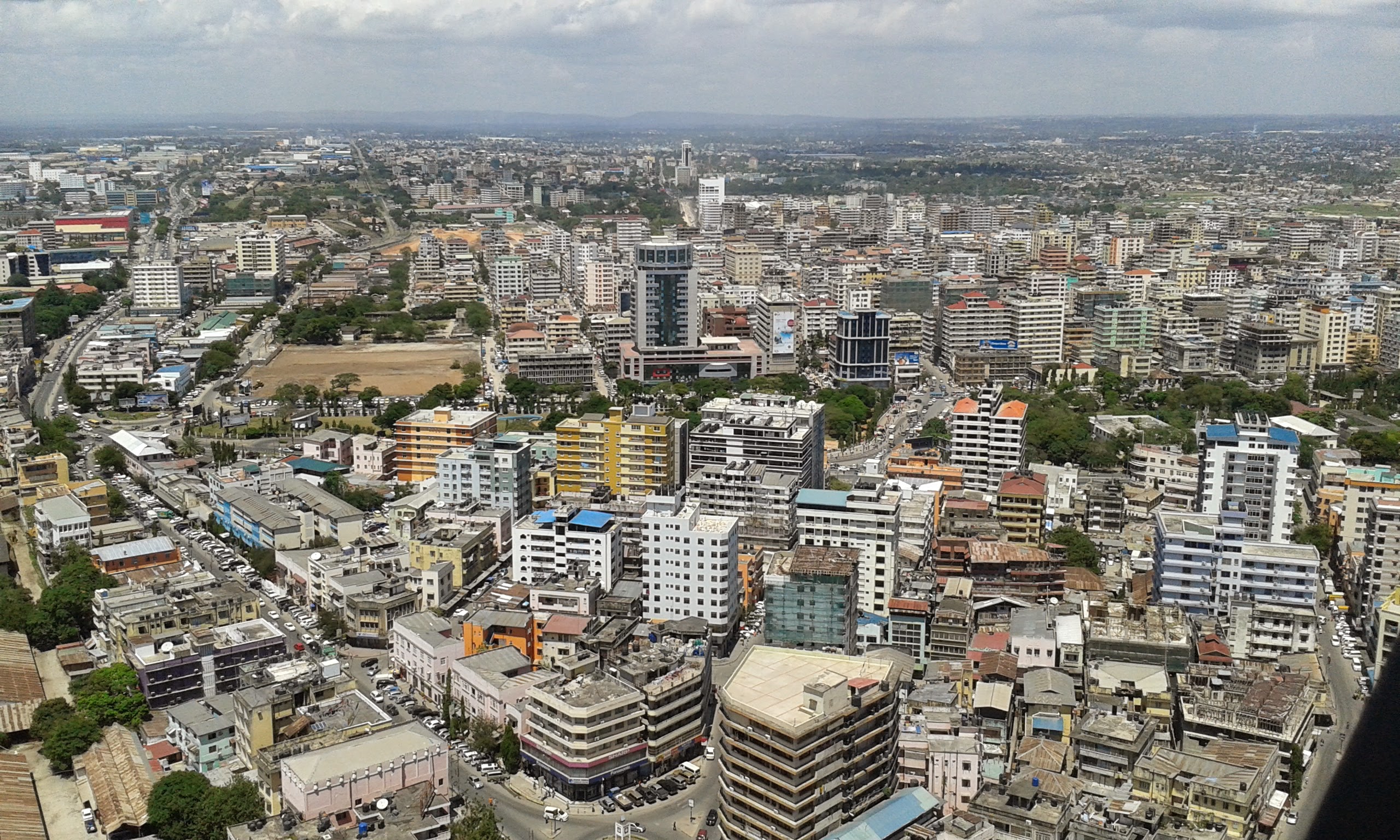
Dar es Salaam — Tanzania’s Largest City on the Indian Ocean
Dar es Salaam is Tanzania’s largest city, on a natural Indian Ocean harbour. It is the financial heart of the country, though the capital moved to Dodoma.
Dar es Salaam began as the fishing village of Mzizima, and Sultan Majid of Zanzibar built a new city on the spot in 1862, naming it the Abode of Peace. The city served as the capital of German East Africa, then of Tanganyika, then of Tanzania, until the capital moved to Dodoma in 1996, and it is still the place where the banks, the port, and the embassies sit. Travellers use it as a stop on the way to Zanzibar or to the safari parks, and a day or two here shows the markets, the museums, and the harbour that made the city.
Quick Facts
- Name: Dar es Salaam; from Arabic, “Abode of Peace”; the largest city of Tanzania.
- Position: On the east coast of Tanzania, on a natural harbour of the Indian Ocean, at six degrees forty-nine minutes south, thirty-nine degrees seventeen minutes east.
- Role: Largest city and financial and trading centre of Tanzania; capital of the Dar es Salaam Region.
- Population: 7,776,000 in the 2023 estimate, the largest city in East Africa.
- Districts: Five: Ilala, Kigamboni, Kinondoni, Ubungo, and Temeke.
- Airport: Julius Nyerere International Airport, about twelve km south-west of the centre.
- Best time: The dry season from June to October, with cool air and little rain.
Geography of Dar es Salaam
Dar es Salaam lies on the east coast of Tanzania, on a natural harbour of the Indian Ocean. The harbour is deep and sheltered from the wind, and that is why the city was chosen as the main port of the country, with the largest docks in Tanzania and the gateway for trade with the landlocked countries inland. The coast around the city holds sandy beaches, low cliffs, and mangrove forest at the mouths of the rivers, and the city itself sits on flat ground near sea level.
The city holds five districts, and each has its own character. Ilala is the central district, with the trading quarter, the port, and the old government buildings. Kinondoni lies to the north, with residential quarters and Coco beach, and Kigamboni lies across the Kurasini estuary to the east, reached by ferry and by bridge. Ubungo stands to the west and Temeke to the south, and both are industrial and residential districts that have grown fast as the city has spread.
Zanzibar lies across the channel from Dar es Salaam, and the fast ferry reaches Stone Town in about two hours. The town lies about seventy-three km away in a straight line, almost due north, and the island itself stretches north-east from the city, so the ferry crosses open water with the island in sight for much of the way. That nearness makes Dar es Salaam the main gateway to Zanzibar, and many travellers spend a night here before crossing, with the port and the ferry terminal at the heart of the trip.
The port of Dar es Salaam is the largest in Tanzania and the main trading gateway of the country, with ships from around the world at its quays and cranes working through the day. The port also serves the entrepot trade of Rwanda, Burundi, Zambia, and the eastern part of the Democratic Republic of the Congo, so its yards hold goods for much of central Africa. Travellers can see the port from the centre, with large ships at anchor and cranes loading and unloading, and the sight explains why the city grew into the trading centre of the country.
Small islands off the coast, among them Bongoyo and Mbudya, are the day trips of the people of Dar es Salaam, with beaches and coral for snorkelling. Boats leave from the Masaki area and reach the islands in about twenty to thirty minutes, and the trips run through the day. The islands are little known to international travellers, yet they are the favourite weekend rest of the city, with clear water, sand, and small restaurants on the shore.
The climate of Dar es Salaam is tropical and coastal, hot and humid through the year, with two rainy seasons rather than one. The long rains fall from March to May, and the short rains from October to December, while the dry season from June to October is the kindest time, with daytime temperatures near twenty-eight to thirty-one degrees and a sea breeze from the Indian Ocean. The temperature changes little with the seasons, but the humidity climbs highest in the rains, and the dry months feel cooler even when the thermometer reads nearly the same.
The city stands on flat ground near sea level, with low areas near the shore and small rivers running through it to the harbour. The rivers make marshes and mangrove forest at their mouths, and the fishing villages around the city still keep the old trade, with wooden boats putting out each morning and returning in the afternoon. The fish from these villages supplies the Kivukoni market and the local markets, and it is the main seafood of the city.

little bee-eater (Merops pusillus), Dar es Salaam, Tanzania — CC0
History of Dar es Salaam
Dar es Salaam was founded in 1862 by Sultan Majid bin Said of Zanzibar, on the site of the fishing village of Mzizima. Some sources say the building began in 1865 or 1866, after Majid chose the spot for a port and trading centre, and the name he gave it means “Abode of Peace” in Arabic, a wish for a calm harbour. The city fell quiet after Majid died in 1870, but it revived in 1887, when the German East Africa Company set up a station there.
Under Majid and his successor Barghash, the city grew into an important trading port, sending out ivory, spices, and slaves, and Arab, Indian, and European merchants came to trade. The harbour quarter formed around the Old Boma, the government house built in 1866 to 1867, and that building is one of the oldest still standing in the city. The mix of traders from three continents set the character of Dar es Salaam, and it still shows in the food, the markets, and the quarters of the old town.
Germany took the coast in 1885 and made Dar es Salaam the capital of German East Africa in 1891. The Germans built the port, the Central Railway into the interior, and government buildings in the European style, among them Saint Joseph Cathedral and the Azania Front Lutheran Church, built between 1899 and 1902. The railway and the port laid the base for the trading role of the city in the twentieth century, and a walk around the centre still shows the German mark in the architecture, from the churches to the old government houses.
In the First World War, British and Empire forces took German East Africa, and the Royal Navy shelled the city in July and August 1916 before the German authorities gave it up on the third of September. Britain then ruled Tanganyika, and Dar es Salaam stayed its capital, with new residential quarters, schools, and hospitals. The Askari Monument, raised to honour African soldiers of the war, stands in the centre of the city, and it is one of the best-known works of the British period.
Under Britain the port grew and was modernised, with new quays and warehouses serving the trade of Tanganyika, and the railway into the interior was improved. The city grew in separate quarters, with European areas such as Oyster Bay and African areas such as Kariakoo and Ilala, and the trading companies and banks set up their offices around the centre. A walk around the port and the centre still shows the colonial buildings of this period, set between the modern towers.
Tanganyika won independence in December 1961, and Dar es Salaam became the capital of the independent country, then of the United Republic of Tanzania from 1964. The decision to move the capital to Dodoma was taken in 1974, though some records place the first provisions in 1973, and the move was only completed in 1996. Even so, Dar es Salaam stayed the economic centre, with most companies, banks, and embassies keeping their offices here, and the government still works from the city for much of its business.
Today the city is the largest trading centre of Tanzania, with the busiest port in East Africa and a population of 7,776,000 in the 2023 estimate. High buildings have risen around the centre, among them the thirty-five-storey PSPF Tower, finished in 2015, and the Tanzania Ports Authority Tower, the tallest in the country, finished in 2016. The old quarters around the port still keep their colonial architecture, and the city keeps growing outward, with new suburbs spreading along the coast and the roads inland.

This is an image with the theme ” Rites and Rituals ” from: — CC BY-SA 4
Travel to Dar es Salaam
Most travellers reach Dar es Salaam as a stop on the way to Zanzibar or to a safari, rather than as the main goal of the trip. The city suits a stay of one to two days, enough for the museum, the fish market, and the centre, and travellers who fly in for a safari often spend a night here before the onward flight. The large parks lie in the north of the country, so safari travellers usually fly to Arusha and drive on to the Serengeti.
City tours usually cover the National Museum, the Kivukoni fish market, the Askari Monument, and Saint Joseph Cathedral, with a local guide telling the story of the port. The tours last half a day and start in the morning, when the fish market is at its busiest, and a traveller on his own can hire a taxi by the hour to see the main sights of the centre. The museum holds the skull of Paranthropus boisei from Olduvai Gorge, one of the most important early human fossils in Africa, and it deserves two hours on its own.
The ferry to Zanzibar is one of the best-known trips from Dar es Salaam, and the fast ferry runs from the main port to Stone Town in about two hours, with many sailings each day. Travellers should book ahead in the high season, since the ferries often fill, and the flight to Zanzibar takes about twenty minutes for those in a hurry, though it costs more and needs an early start at the airport. From the port, a taxi reaches the centre in about fifteen to twenty minutes, depending on the traffic.
From Dar es Salaam, safaris run to the parks of the south as well as the north, and the southern parks suit travellers who want fewer crowds. Mikumi and Selous, now called Nyerere, lie closer than the Serengeti, and tours there run from two to five days, with a vehicle and a guide. The northern parks still need a flight to Arusha first, and travellers should book a good tour ahead, since the best ones fill in the high season.
The beaches north of the city, Coco and Kunduchi, are where the people of Dar es Salaam go to swim at weekends. Coco is the closest beach to the centre, with sand, warm water, and seafood restaurants along the shore, and it fills with families in the afternoon. Kunduchi lies further north, with a wider beach, resorts, pools, and restaurants, and it suits travellers who want to swim and rest for a whole day. A taxi or a hire car is the best way to reach Kunduchi, since the buses there are awkward.
The food of the city mixes Arab, Indian, and African cooking, with pilau, biryani, samosa, and grilled fish on most menus. Kariakoo is the largest market in the city, selling everything from spices to cloth, and it is the clearest view of daily life in Dar es Salaam. The Masaki area in the north holds many hotels, restaurants, and bars, with a more international air than the centre, and its seafront restaurants are the best place for dinner, with a view over the bay and a taxi ride of twenty to thirty minutes back to the centre.
Notable Places in Dar es Salaam
Kivukoni Fish Market
The Kivukoni fish market stands right beside the port, and it is the largest fish market in the city and one of the most lively sights for a traveller. The fishing boats come back to the quay from first light, and the market is busiest in the morning, with fish, prawns, and squid just landed. A traveller can walk around the market in about an hour, watching the buying and selling and taking photographs, and the restaurants around the market buy their fish straight from the stalls, so the seafood is always fresh. Morning is the time to come, and a guide helps, since the market is crowded and the lanes are narrow.
The National Museum
The National Museum stands near the centre, and it tells the history of Tanzania from early times to independence. Its most famous object is the skull of Paranthropus boisei from Olduvai Gorge, one of the most important early human fossils in Africa, and the museum also holds rooms on archaeology, peoples, and the independence struggle, with objects from the tribes of Tanzania. A traveller should give the museum about two hours, since the rooms are full and the story runs long. The Botanical Gardens stand close by, and they make a quiet walk after the museum.
The Askari Monument
The Askari Monument stands in the centre of the city, on a great traffic circle in Ilala, and it marks the exact centre of Dar es Salaam. The monument honours the African soldiers who fought in the First World War, and it shows a soldier in uniform, with a rifle on his shoulder, standing on a stone base. It was raised under British rule, and it is one of the most famous monuments of the city. Travellers often stop to take a photograph as they pass through the centre, and the monument is the best meeting point in the city, since every taxi driver knows it.
Saint Joseph Cathedral
Saint Joseph Cathedral is the largest Catholic church in the city, built under German rule in the Gothic style, with a tall bell tower that looks over the port and the bay. The church holds stained-glass windows and a carved altar, and its quiet interior stands in sharp contrast to the noise of the centre outside. The cathedral still serves its congregation, and travellers may visit outside the hours of Mass. Together with the Azania Front Lutheran Church nearby, it shows the German mark on the old town, and a walk between the two churches is the best way to see the colonial centre.
The Old Boma
The Old Boma is the oldest government building in the city, built in 1866 to 1867 under Sultan Majid, with white walls and arched doors in the Arab style. It stands near the port and the centre, and it served first as the seat of the Sultan’s government and then as offices of the German colonial government, enlarged under German rule. Today the building is a historic monument and a stop on the city tours, and its plain white walls and arches are a reminder of the Arab city that stood here before the Germans came. A visit takes only a short while, but it belongs on any walk through the old centre.
Makumbusho Village Museum
The Makumbusho Village Museum stands about ten km to the north-west of the centre, and it is an open-air museum of the traditional life of Tanzania. The museum holds the traditional houses of many tribes, with dance and music performances, and a traveller can walk around the village in about two hours, looking at the houses and listening to the guides tell the customs of each tribe. The place suits families with children, since the houses are open and the performances are lively, and it is the best single stop for travellers who want to understand the peoples of Tanzania.
Frequently Asked Questions
How many days should I spend in Dar es Salaam?
One to two days cover the museum, the fish market, and the centre. Add a day for Makumbusho and the northern beaches.
Can I go on safari from Dar es Salaam?
Yes, but the big northern parks need a flight to Arusha. Mikumi and Selous in the south are closer by road.
How do I get to Zanzibar from Dar es Salaam?
Take the fast ferry to Stone Town, about two hours, with many sailings a day. Book ahead in the high season.
When is the best time to visit Dar es Salaam?
June to October is dry, cool, and windy. December to February is dry but hotter, and March to May brings heavy rain.
Where should I stay when I visit Dar es Salaam?
Stay near the centre for the museum, the market, and the ferry. Masaki in the north has hotels, restaurants, and Coco beach.
Is Dar es Salaam good for families with children?
Makumbusho village museum and the northern beaches suit families. Keep days light, since traffic is heavy and the heat is strong.
Verified
- Dar es Salaam is the largest city and the financial hub of Tanzania, and the capital of the Dar es Salaam Region.
- The city was founded in 1862 by Sultan Majid bin Said of Zanzibar, on the site of the fishing village of Mzizima; some sources say building began in 1865 or 1866.
- The name Dar es Salaam means “Abode of Peace” in Arabic.
- The city holds five districts: Ilala, Kigamboni, Kinondoni, Ubungo, and Temeke.
- The population was 7,776,000 in the 2023 estimate.
- The decision to move the capital to Dodoma was taken in 1974 and the move was completed in 1996.
- The Old Boma, the oldest government building in the city, was built in 1866 to 1867.
- The Askari Monument honours African soldiers of the First World War.
- The fast ferry to Stone Town takes about two hours; Stone Town lies 73.0 km away in a straight line, almost due north.
- Julius Nyerere International Airport lies about 12 km to the south-west of the centre.
- The nearest World Heritage property is the Stone Town of Zanzibar (ref 173), inscribed in 2000, criteria (ii)(iii)(vi), 73.0 km away in a straight line.
- Dar es Salaam itself is not a World Heritage property, so the registry value unesco:false is CORRECT.
- Coordinates -6.816111 degrees, 39.280278 degrees east, matching the registry and Wikidata Q1960.
Sources
- Wikipedia, “Dar es Salaam” (https://en.wikipedia.org/wiki/Dar_es_Salaam) — position, history, population, districts, Dodoma, checked 23/11/2026.
- Wikivoyage, “Dar es Salaam” (https://en.wikivoyage.org/wiki/Dar_es_Salaam) — travel, ferry to Zanzibar, sights, beaches, checked 23/11/2026.
- UNESCO, “Stone Town of Zanzibar” (ref 173) (https://whc.unesco.org/en/list/173/) — criteria (ii)(iii)(vi), checked 23/11/2026.
- Wikidata API, Q1960 (Dar es Salaam), coordinates six degrees forty-nine minutes south, thirty-nine degrees seventeen minutes east — checked 23/11/2026.
Unverified
- The founding year: some sources say the city was built in 1865 or 1866, against the founding year of 1862; this guide states both.
- The Dodoma move: one source places the provisions in 1973, while most give the decision in 1974 and completion in 1996; this guide uses 1974 and 1996.
- The 2023 estimate of 7,776,000 covers the wider city; the 2022 census figure for the Dar es Salaam Region is lower, so the number should be read as an estimate, not a census count.
- Ferry times and ticket prices to Zanzibar change with the season and have not been verified on official pages, so this guide states none.
Illustrations
- Hero: Dar es salaam City. Free image: https://upload.wikimedia.org/wikipedia/commons/f/f1/Dar_es_salaam_City.jpg — CC BY-SA 4.
- In body, Dar es Salaam: little bee-eater (Merops pusillus), Dar es Salaam, Tanzania. Free image: https://upload.wikimedia.org/wikipedia/commons/b/b9/Little_bee-eater_%28Merops_pusillus%29%2C_Dar_es_Salaam%2C_Tanzania.jpg — CC0.
- In body, Kivukoni Fish Market: This is an image with the theme ” Rites and Rituals ” from:. Free image: https://upload.wikimedia.org/wikipedia/commons/c/c8/A_young_man_preparing_fish_at_Kivukoni_Fish_Market%2C_Dar_es_salaam_01.jpg — CC BY-SA 4.