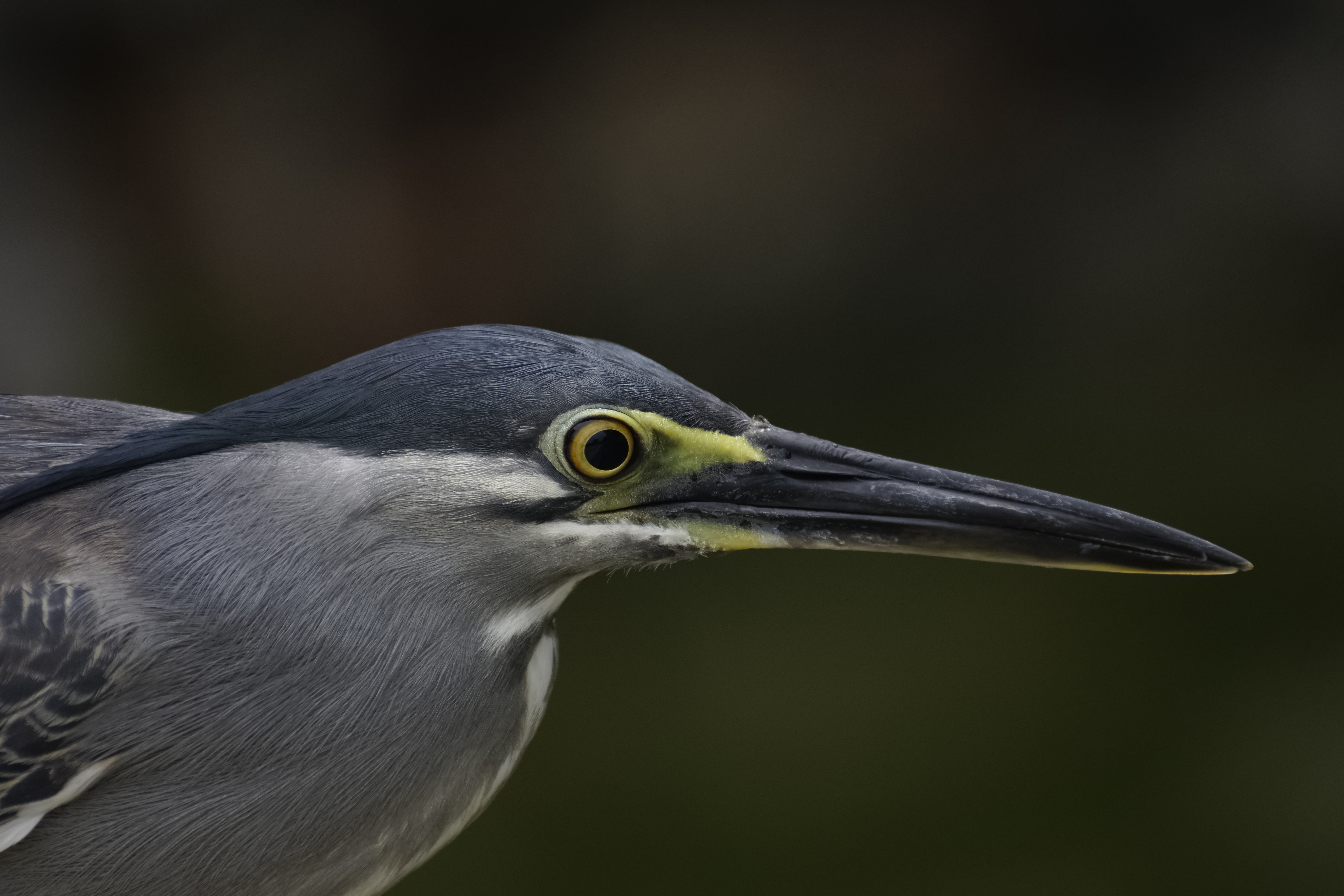
Kuala Lumpur — The Capital of Skyscrapers and Many-Coloured Quarters
Kuala Lumpur, usually shortened to KL, is the capital and most populous city of Malaysia, with 2,075,600 people in the city boundary in the first quarter of 2024, on an area of 243 square kilometres. Kuala Lumpur is the cultural, commercial and transport centre of the country, and it is the home of the Petronas Twin Towers, the most famous symbol of Malaysia, and of Merdeka 118, the second tallest building in the world. Kuala Lumpur stands on the west coast of the Malay Peninsula, ringed by the state of Selangor, and it is the centre of the Klang Valley metropolitan area, with about 8.8 million people.
The name Kuala Lumpur in Malay means “muddy confluence”, recalling the place where the city was born at the meeting of the Klang and Gombak rivers. From a tin-mining settlement founded in 1857, Kuala Lumpur has become a multi-ethnic city, where Malays, Chinese and Indians live together, in quarters that each keep their own character: Petaling Street Chinatown, Little India in Brickfields, and the Muslim centre around the National Mosque. This article introduces the geography, the history and the places not to be missed in the capital of Malaysia.
Quick Facts About Kuala Lumpur
| Fact | Detail |
|---|---|
| Location | West coast of the Malay Peninsula, ringed by Selangor, Malaysia |
| Coordinates | 3.1478° N, 101.6953° E |
| Population | 2,075,600 people (Q1 2024); Klang Valley metropolitan area about 8.8 million people |
| Area | 243 sq km (city); 2,243.27 sq km (metropolitan area) |
| Elevation | 63 m above sea level |
| Role | Capital and largest city of Malaysia; legislative capital and seat of Parliament |
| Founded | 1857 (tin-mining settlement); city from 1 February 1972; Federal Territory from 1 February 1974 |
| UNESCO site | No site inside the city; the nearest Malaysian sites are Melaka and George Town, inscribed 2008 |
| Languages | Malay (official), English widely used, Chinese, Tamil |
| Time zone | UTC+8 |
| Wikidata | Q1865 |
Kuala Lumpur is the legislative capital of Malaysia, where Parliament and the palace of the King stand, while Putrajaya, about 25 kilometres to the south, has been the federal administrative centre since 1999. That division confuses many people who first learn about Malaysia, but for visitors Kuala Lumpur is still the heart of the country: the place where the museums, markets, temples and shopping districts are most crowded.
Geography: Kuala Lumpur and the Klang Valley
Kuala Lumpur lies on the west of the Malay Peninsula, at the meeting of the Klang and Gombak rivers, in a valley ringed by the Titiwangsa range in the east. The city has an average elevation of about 63 metres above sea level, with its highest point, Bukit Dinding, at 302 metres. Although it lies inside the state of Selangor, Kuala Lumpur is a Federal Territory, separate in administration from the state since 1974.
The metropolitan area of Kuala Lumpur, usually called the Klang Valley or Greater Kuala Lumpur, covers about 2,243.27 square kilometres and includes the satellite cities of Petaling Jaya, Shah Alam, Subang Jaya and Klang. The Klang River flows through the city from north-east to south-west and then into the Strait of Malacca at Port Klang, the largest seaport in Malaysia, about 40 kilometres from the city centre. That nearness to the port helped Kuala Lumpur grow from an inland mining settlement into the trading hub of the whole region.
The climate of Kuala Lumpur is tropical equatorial monsoon: hot and humid all year, with an average temperature of about 27 degrees Celsius and little change by season. Rain falls in every month, usually as afternoon showers, with the heaviest rain in the north-east monsoon from October to January. The high humidity and the strong sun are the mark of the city, so visitors should carry an umbrella, drinking water and sunscreen when walking.
The city divides into quarters of very different character. KLCC, around the Petronas Twin Towers, is the modern financial and shopping centre, with towers, hotels and the Suria KLCC shopping mall. Bukit Bintang is the busiest entertainment and shopping street, while the old quarter around Merdeka Square keeps the colonial buildings of the nineteenth century. In the west is Brickfields, Little India, and in the south is Petaling Chinatown, two old quarters that show the ethnic diversity of the city.

A house crow ( Corvus splendens insolens ) prepares to ingest a chunk of wholemeal bread — CC BY-SA 4
History of Kuala Lumpur
Born from a Tin Mine
Kuala Lumpur was born in about 1857, when Raja Abdullah, the Malay chief of Klang, called on Chinese merchants in Malacca to bring Chinese tin miners to the meeting of the Klang and Gombak rivers. By another account, a group of 87 Chinese tin miners founded the first settlement at Ampang, east of the present city. However the beginning is told, historians agree that tin is the reason the city was born, and its first decade was a chaotic mining camp, full of disease and conflict.
The turning point came with Kapitan Yap Ah Loy, the chief of the Chinese community, who is seen as the founder of modern Kuala Lumpur. He came to manage the mines in the late 1860s and rebuilt the city after fires and floods destroyed it. Under Yap Ah Loy, Kuala Lumpur gained its first brick roads, schools, markets and water supply, turning a temporary mining camp into an organised town. In 1880 Kuala Lumpur became the capital of the state of Selangor, replacing Klang.
The British Period and the Road to Independence
The British began to intervene deeply in Selangor from the 1870s, and Frank Swettenham, the first British official to set foot in Kuala Lumpur in 1882, played an important part in planning the city in the colonial style. Under the British, Kuala Lumpur was rebuilt in brick and tile after great fires, with buildings that still stand today, such as the Sultan Abdul Samad Building, completed in 1897, beside Merdeka Square. In 1896 Kuala Lumpur became the capital of the Federated Malay States, the union of four British-protected states on the peninsula.
In the Second World War, Kuala Lumpur was occupied by the Japanese from January 1942 to August 1945, a hard period of hunger and repression. After the war, the independence movement rose, and on 31 August 1957 the first Prime Minister, Tunku Abdul Rahman, proclaimed the independence of the Federation of Malaya at the Merdeka Stadium in Kuala Lumpur, before tens of thousands of people. Six years later, in 1963, Kuala Lumpur became the capital of Malaysia, when the new federation of Malaya, Singapore, Sabah and Sarawak was born.
The Modern Capital
Kuala Lumpur was recognised as a city on 1 February 1972, the first settlement in Malaysia to be given that title after independence. Two years later, on 1 February 1974, the city was separated from the state of Selangor to become a Federal Territory, under the federal government. In 1999 most of the federal administrative offices moved to Putrajaya, the new administrative city built to the south, but Parliament, the royal palace and the courts stayed in Kuala Lumpur.
The modern symbols of the city were born at the end of the twentieth century. The Petronas Twin Towers were completed in 1998, 452 metres high with 88 floors, once the tallest buildings in the world until 2004, and still the tallest twin towers in the world today. In 2019 The Exchange 106 passed the Petronas in height, and on 10 January 2024 Merdeka 118, 678.9 metres high with 118 floors, was officially opened, becoming the second tallest building in the world, after the Burj Khalifa in Dubai. The design of Merdeka 118 takes its idea from the raised hand of Tunku Abdul Rahman as he proclaimed independence in 1957, joining the past and the present of the city in a single building.
Timeline of Kuala Lumpur
| Year | Event |
|---|---|
| 1857 | Tin-mining settlement founded at the meeting of the Klang and Gombak rivers |
| 1880 | Kuala Lumpur becomes the capital of Selangor |
| 1896 | Kuala Lumpur becomes the capital of the Federated Malay States |
| 1897 | The Sultan Abdul Samad Building is completed |
| January 1942–August 1945 | Japanese occupation of Kuala Lumpur |
| 31 August 1957 | Tunku Abdul Rahman proclaims independence at Merdeka Stadium |
| 1963 | Kuala Lumpur becomes the capital of Malaysia |
| 1 February 1972 | Kuala Lumpur is recognised as a city |
| 1 February 1974 | Kuala Lumpur becomes a Federal Territory |
| 1998 | The Petronas Twin Towers are completed, 452 m, 88 floors |
| 1999 | Most federal offices move to Putrajaya |
| 10 January 2024 | Merdeka 118 is officially opened, 678.9 m, 118 floors |
Travel in Kuala Lumpur
When to Go
Kuala Lumpur is hot and humid all year, with an average temperature of about 27 degrees Celsius, so there is no cool season in the usual sense. The best time to visit is the drier part of the year, from about May to September, when the afternoon showers are shorter, and the city is less wet. The heaviest rain falls in the north-east monsoon from October to January, but the rain usually comes as a short afternoon shower and clears quickly.
The city is busiest around the festivals of its three communities: Hari Raya at the end of Ramadan, Chinese New Year, and Deepavali, the Hindu festival of lights, whose dates change with the lunar calendar each year. Travellers who come for a festival should book early, because the city fills up and the markets change character completely.
How Many Days
For a first visit to Kuala Lumpur, allow at least two to three days. One day suits the centre, with the Petronas Twin Towers, Merdeka Square and the Sultan Abdul Samad Building, and the evening in Bukit Bintang. One day suits the quarters, with Petaling Chinatown, Little India in Brickfields and the National Mosque, and the markets. A third day suits the Batu Caves, just outside the city, and the museums, and more time suits a trip to Melaka or George Town, the two UNESCO towns of Malaysia.
Getting Around
Kuala Lumpur has one of the best public transport systems in South-East Asia, with the LRT, MRT and monorail lines crossing the city and the KLIA Ekspres train joining the centre to the airport. The Petronas Twin Towers, Bukit Bintang and Merdeka Square are all on the rail lines, and the walk between them is short. Taxis and ride-hailing cars cover the rest, and the free GoKL buses run through the centre. The traffic is heavy in the peak hours, so the rail lines are the fastest way to move.
Eating and Staying
Kuala Lumpur is one of the best food cities in Asia, and the hawker stalls are the place to start, with nasi lemak, satay, char kway teow and roti canai from the three food traditions of the city. Petaling Street is the centre of Chinatown food, Brickfields is the centre of Indian food, and the night markets hold the cheapest and the best of all three. Staying in Bukit Bintang puts the shopping and the nightlife within walking distance, and staying in KLCC suits those who want the towers and the park, while the old quarter around Merdeka Square suits those who want the colonial buildings.

A wild Little Heron (Butorides atricapilla) wades in the shallow part of a pond in Kuala Lumpur, Malaysia, preparing to catch a fish — CC BY-SA 4
Highlights of Kuala Lumpur
- The Petronas Twin Towers were completed in 1998, 452 metres high with 88 floors, and they were the tallest buildings in the world until 2004. They are still the tallest twin towers in the world, and the skybridge between them, the highest two-storey bridge in the world, is the best view in the city.
- Merdeka 118 was officially opened on 10 January 2024, 678.9 metres high with 118 floors, and it is the second tallest building in the world, after the Burj Khalifa in Dubai. Its design takes its idea from the raised hand of Tunku Abdul Rahman as he proclaimed independence in 1957.
- Merdeka Square is the historic heart of Kuala Lumpur, where independence was proclaimed on 31 August 1957. The Sultan Abdul Samad Building, completed in 1897, stands beside the square, and its copper domes and clock tower are the symbol of the colonial city.
- The Batu Caves stand just outside the city, a limestone hill with a giant golden statue of Murugan at its foot and 272 steps climbing to the cave temples inside. The caves are the most visited Hindu shrine outside India, and the Thaipusam festival fills them with pilgrims every year.
- Petaling Street is the heart of Chinatown, with market stalls, food and the old shophouses of the Chinese quarter. It is the busiest market street in the city, and it keeps the character of the quarter that the Chinese miners built in the nineteenth century.
- Little India in Brickfields is the Indian quarter of Kuala Lumpur, with sari shops, flower sellers, Indian restaurants and the sound of Tamil music in the streets. It is the most colourful quarter in the city, and it is the best place to eat Indian food.
- The National Mosque (Masjid Negara) stands near the old railway station, with a blue-tiled dome and a minaret that rises over the city. It is the national mosque of Malaysia, and its gardens and its reflecting pool make it the calmest place in the centre.
- The Central Market is the old market building of Kuala Lumpur, rebuilt as a craft centre with batik, pewter, wood carving and Malaysian handicrafts. It is the best place to buy a souvenir that is made in Malaysia, and it stands a short walk from Petaling Street.
- KLCC Park lies at the foot of the Petronas Twin Towers, with a lake, a running track and a view of the towers that is the most photographed sight in the city. The park is the green heart of the modern centre, and it is busiest in the evening, when the towers light up.
FAQ About Kuala Lumpur
What is Kuala Lumpur famous for?
Kuala Lumpur is famous for the Petronas Twin Towers, completed in 1998 and still the tallest twin towers in the world, and for Merdeka 118, the second tallest building in the world. The city is also famous for its three food traditions, Malay, Chinese and Indian, and for its markets and its colonial buildings.
How tall are the Petronas Twin Towers?
The Petronas Twin Towers are 452 metres high with 88 floors. They were the tallest buildings in the world from 1998 until 2004, and they are still the tallest twin towers in the world today.
What is the tallest building in Kuala Lumpur?
Merdeka 118 is the tallest building in Kuala Lumpur, 678.9 metres high with 118 floors, officially opened on 10 January 2024. It is the second tallest building in the world, after the Burj Khalifa in Dubai.
When was Kuala Lumpur founded?
Kuala Lumpur was founded in about 1857 as a tin-mining settlement at the meeting of the Klang and Gombak rivers. It became the capital of Selangor in 1880, a city on 1 February 1972, and a Federal Territory on 1 February 1974.
What is there to do in Kuala Lumpur?
The Petronas Twin Towers, Merdeka Square and the Sultan Abdul Samad Building are the heart of the centre, and Petaling Chinatown, Little India in Brickfields and the National Mosque are the best quarters to walk. The Batu Caves, just outside the city, are the best half-day trip.
When is the best time to visit Kuala Lumpur?
Kuala Lumpur is hot and humid all year, with an average temperature of about 27 degrees Celsius. The drier months from about May to September are the most comfortable, and the heaviest rain falls in the north-east monsoon from October to January.
Verified
The Kuala Lumpur article was checked on 20 November 2026, and the check began with the towers, because the heights are the figures that change most often. The population of 2,075,600 in the first quarter of 2024, the metropolitan population of about 8.8 million, the city area of 243 square kilometres, the metropolitan area of 2,243.27 square kilometres, the elevation of 63 metres, the founding of 1857, the capital of Selangor in 1880, the capital of the Federated Malay States in 1896, the completion of the Sultan Abdul Samad Building in 1897, the Japanese occupation from January 1942 to August 1945, the independence proclamation of 31 August 1957, the capital of Malaysia in 1963, the city status of 1 February 1972, the Federal Territory of 1 February 1974, the move to Putrajaya in 1999, the Petronas height of 452 metres with 88 floors, the completion of 1998, the opening of Merdeka 118 on 10 January 2024, its height of 678.9 metres with 118 floors, and the distance of about 25 kilometres to Putrajaya and about 40 kilometres to Port Klang are all confirmed in the sources below. The coordinates 3.1478° N, 101.6953° E and the Wikidata identifier Q1865 come from the TheTerraAtlas registry entry for this entity.
Sources
- Tourism Malaysia, official tourism site — https://www.malaysia.travel
- UNESCO, Melaka and George Town, 2008 — https://whc.unesco.org/en/list/1223/
- Department of Statistics Malaysia, Kuala Lumpur population, Q1 2024 — https://www.dosm.gov.my
- Wikipedia, Kuala Lumpur — https://en.wikipedia.org/wiki/Kuala_Lumpur
- Wikipedia, Petronas Towers — https://en.wikipedia.org/wiki/Petronas_Towers
- Wikipedia, Merdeka 118 — https://en.wikipedia.org/wiki/Merdeka_118
- Vietnamese reference article, facts only, checked 18 November 2026 — ~/workspace/theterraatlas-articles/kuala-lumpur.vi.md
Not Yet Verified
- The exact number of visitors to Kuala Lumpur by year has not been matched against a formal publication of Tourism Malaysia, so it is not stated in this article.
- The height of the Batu Caves steps is often given as 272 steps, and this article uses that figure from the most common sources, but the count differs in a few sources.
- Ticket prices for the Petronas Twin Towers skybridge and their exact opening hours change by season and by year, so check the official Petronas site before travelling.
- The exact dates of Hari Raya, Chinese New Year and Deepavali change each year with the lunar calendar, so check the official calendar before travelling.
- Hotel prices in Kuala Lumpur change by season and by year, so check the official page of each hotel before travelling.
Illustrations
- Hero: The head of a Little Heron ( Butorides atricapilla javanica ). Free image: https://upload.wikimedia.org/wikipedia/commons/3/31/Butorides_striata_javanica_%40_Kuala_Lumpur%2C_Malaysia_%281%29.jpg — CC BY-SA 4.
- In body, Kuala Lumpur: A wild Little Heron (Butorides atricapilla) wades in the shallow part of a pond in Kuala Lumpur, Malaysia, preparing to catch a fish. Free image: https://upload.wikimedia.org/wikipedia/commons/7/76/Butorides_striata_javanica_%40_Kuala_Lumpur%2C_Malaysia_%283%29.jpg — CC BY-SA 4.
- In body, Kuala Lumpur: A house crow ( Corvus splendens insolens ) prepares to ingest a chunk of wholemeal bread. Free image: https://upload.wikimedia.org/wikipedia/commons/6/69/Corvus_splendens_insolens_%40_Kuala_Lumpur_%282%29_alternate_crop.jpg — CC BY-SA 4.