
Hakkeijima: The Island of the Sea on Yokohama Bay
Hakkeijima is the island of the sea on Yokohama Bay, a man-made island of aquariums and rides. Its pyramid aquarium has welcomed families since 1993.
Yokohama Hakkeijima Sea Paradise opened on 8 May 1993 on an artificial island in Tokyo Bay, in the Kanazawa ward of Yokohama. The island holds the Aqua Museum, with 120,000 sea creatures of 700 species, the Dolphin Fantasy tunnel, opened on 16 July 2004, and the Fureai Lagoon, opened on 27 July 2007, where visitors meet dolphins, beluga whales and seals. This guide covers the island and its aquariums, a history that runs from the reclamation of the 1980s to the resort of today, and how to spend a day on the island with the sea.
Quick Facts About Hakkeijima
| Item | Detail |
|---|---|
| Name | Hakkeijima, Yokohama Hakkeijima Sea Paradise |
| Status | Artificial island and marine resort in Yokohama |
| Location | Kanazawa ward, Yokohama, on Tokyo Bay |
| Coordinates | 35.3361° N, 139.6444° E |
| Opened | 8 May 1993 |
| Aqua Museum | 120,000 sea creatures of 700 species |
| Dolphin Fantasy | Opened 16 July 2004 |
| Fureai Lagoon | Opened 27 July 2007 |
| Island built | 1980s, by land reclamation |
| Time zone | Japan Standard Time, nine hours ahead of UTC |
| Money | Japanese yen |
| Wikidata | Q11285385, coordinates 35.3361/139.6444 |
Geography of Hakkeijima
Hakkeijima is an artificial island in Tokyo Bay, off the Kanazawa ward of Yokohama, reached by the Seaside Line monorail from the city. The island was built by land reclamation in the 1980s, and it was first planned for industry, before the plan changed to a marine resort near the centre of the metropolitan region. The island is small, and its paths run between the aquariums, the rides, the restaurants and the marina, with the sea on every side and the view across the bay to the city.
The island sits at the southern end of Yokohama, where the bay meets the coast of the Miura Peninsula. The water around the island is the shallow water of the bay, and the beaches, the marinas and the fishing ports of Kanazawa lie nearby. The island is the only place in Yokohama where the sea is the whole point of the visit, and the wind, the gulls and the salt air are the atmosphere of the place. The Seaside Line runs above the water to the island, and the ride itself is a view of the bay.
The island covers about 24 hectares, and almost the whole of it belongs to the Sea Paradise complex, with its aquariums, its rides, its shops, its restaurants and its hotel. The Japanese call the resort Sea Para for short, and the families of the Tokyo region have made it a familiar day trip. The coastal path, the marina, the shops and the hotel all fit on the island, so visitors can spend a whole day here without leaving it.
The climate of Hakkeijima is the climate of the bay: mild in summer, with the sea breeze cooling the island, and cold in winter, with the wind off the water. Spring brings the cherry blossom of the island, summer brings the crowds of the school holidays, autumn brings the clear skies and the quiet of the bay, and winter brings the lights of the island and the cold of the sea. The best time to visit is spring and autumn, when the weather is mild and the crowds are smaller, while summer is the busiest season for the aquariums and the rides.
The island is divided into zones that each serve a purpose. The Aqua Museum stands at the centre, with its pyramid building facing the sea, and the Dolphin Fantasy and the Fureai Lagoon stand beside it, with their tanks and their pools. The rides of the island, the roller coasters and the water rides, stand on the eastern side, and the restaurants, the shops and the marina stand on the western side, facing the bay. The paths of the island link them all in a single walk, and the whole island can be crossed on foot in a few minutes.
The bay around Hakkeijima is the geography that matters most on the island. Tokyo Bay is a wide shallow bay, and the port of Yokohama has been its gateway since 1859. The island is the southernmost resort of the bay, and the ferries, the fishing boats and the pleasure boats of the bay pass it every day. The island is a place to look at the sea, and the aquariums are a place to look under it, and the two views together are the point of Hakkeijima.
The position of Hakkeijima, about an hour south of central Tokyo by train, makes it the seaside resort of the whole metropolitan region. The trains from Tokyo reach Yokohama in about half an hour, and the Seaside Line runs from Shin-Sugita Station to the island, so the resort is a direct ride from the capital. The island is the place where the families of Tokyo come for the sea, and the families of Yokohama come for the aquariums and the rides.

Hakkeijima 20221105 — CC BY-SA 4
History of Hakkeijima
The history of Hakkeijima begins in the 1980s, when the city of Yokohama reclaimed the land from the sea to build the artificial island. The island was first planned for industry, but the plan changed: instead of factories, the island would become a marine resort near the centre of the city, a place where the people of the metropolitan region could meet the sea. The island was built, the buildings rose, and on 8 May 1993 Yokohama Hakkeijima Sea Paradise opened, with the Aqua Museum as its centre, in a pyramid building facing the sea.
The Aqua Museum was the heart of the complex from the first day, with its 120,000 sea creatures of 700 species, and its tanks that showed the fish of the bay, the deep sea and the tropics. The museum was the largest aquarium in the region, and it drew the families of Yokohama and Tokyo from the first year. The island grew with the museum, and the rides, the restaurants and the marina followed, making the island a full resort rather than a single aquarium.
The complex did not stop growing after its opening. Dolphin Fantasy opened on 16 July 2004, an aquarium for dolphins alone, with an arched tunnel that lets visitors walk under the water while the dolphins swim above them. Fureai Lagoon opened on 27 July 2007, where visitors can meet dolphins, beluga whales and seals in low pools, touching the animals and learning about them. Umi Farm followed, with the idea of education about the sea: visitors catch their own fish, cook them and eat them on the spot, learning where their food comes from.
The island has kept growing through the decades, with new attractions, new shows and new exhibitions, and it remains the marine resort of Yokohama. The aquariums have kept their role as centres of research and conservation, breeding the animals, studying the sea and teaching the visitors about the ocean. The island that was planned for industry became the island of the sea, and the plan that changed in the 1980s gave Yokohama a resort that the city had never had.
The rides of the island grew beside the aquariums. Pleasure Land, the amusement park of the island, holds 16 rides for all ages, and its best known is the Surf Coaster Leviathan, the only roller coaster in Japan whose track, 1,271 metres long, runs out over the sea, reaching a top speed of 75 kilometres per hour. The Sea Paradise Tower, an observation tower 90 metres high, carries a cabin that turns slowly as it climbs, giving a full circle of views over the island and the bay, and on a clear day Mount Fuji can be seen in the distance. The Paradise Cruise, a sightseeing boat shaped like a pirate ship, circles the island, letting visitors see Hakkeijima from the sea.
Sea Paradise is open through the year, and each season has its own character. Summer is the liveliest season, with the outdoor events and the fireworks that draw the crowds, while spring and autumn bring mild weather for walking the island and riding the outdoor attractions. Winter is quieter, but the indoor aquariums are a good choice for a cold day, and the island keeps its lights and its shows through the cold months.
The story of Hakkeijima is the story of an island that was made from the sea and given back to it. The land was reclaimed, the buildings rose, the aquariums opened, and the island became the place where the people of the city meet the sea. The pyramid of the Aqua Museum, the tunnel of Dolphin Fantasy and the pools of Fureai Lagoon are the landmarks of the island, and they have welcomed families for more than thirty years.
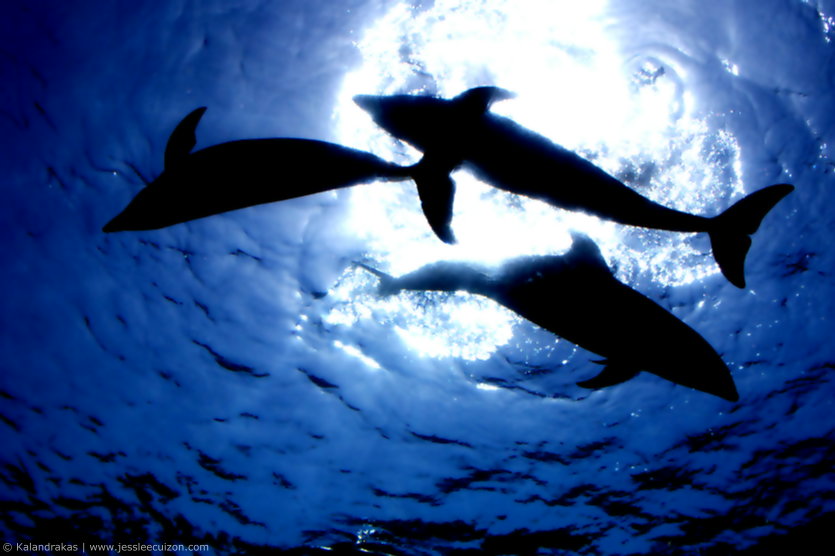
Dolphins 524781662 c759abd250 — CC BY 2
Travel to Hakkeijima
Hakkeijima is reached by the Seaside Line, the monorail that runs from Shin-Sugita Station on the JR Negishi Line to Hakkeijima Station, at the gate of the resort. The trains from Tokyo reach Yokohama in about half an hour, and the Negishi Line runs south to Shin-Sugita, so the island is about an hour from the centre of the capital. The buses also serve the island from Yokohama Station, and the cars reach it by the bay roads, with parking on the island.
A full day suits Hakkeijima, and the best way to see it is to start at the Aqua Museum in the morning, continue to Dolphin Fantasy and Fureai Lagoon in the afternoon, and end with the rides and the sunset over the bay. The island is small, and the paths link the aquariums, the rides and the restaurants in a single walk, so a day is enough to see the whole island at a slow pace. The summer is the busiest season, with the school holidays filling the aquariums, and the spring and the autumn are quieter, with the weather mild and the crowds smaller.
Eating on Hakkeijima means the restaurants of the island, the cafes of the aquariums and the seafood of the bay. The island is known for its seafood, and the restaurants of the marina serve the fish, the shellfish and the seaweed of the bay. Umi Farm offers the experience of catching, cooking and eating a fish on the spot, and the food court of the resort serves the noodles, the curries and the sweets of the families. The cafes of the Aqua Museum look out over the sea, and their windows are the best seats on the island.
Yen is the money of the island, and the resort, its eateries and its bigger shops all take cards, while the snack stands and the ticket booths want cash. The convenience stores have cash machines that take overseas cards. A short stay in Japan needs no visa for many passports, and the rest arrange one before travelling, following the latest guidance from the immigration authorities. The island is gentle to walk and safe at any hour, and the sea wind is the thing to dress against, while the indoor aquariums make a fine shelter on wet days.
Notable Places in Hakkeijima
Aqua Museum
The Aqua Museum is the pyramid aquarium at the centre of Hakkeijima, opened with the resort on 8 May 1993, with 120,000 sea creatures of 700 species. The museum holds the fish of the bay, the deep sea and the tropics, with its tanks, its shows and its research, and its pyramid building facing the sea is the symbol of the island. The museum is the heart of Hakkeijima.

the pyramid of the Aqua Museum at Hakkeijima — CC BY-SA 3
Dolphin Fantasy
Dolphin Fantasy, opened on 16 July 2004, is the dolphin aquarium of the island, where an arched tunnel runs beneath the water and the dolphins pass overhead. The building is the quietest place on the island, with the light of the water on the walls and the dolphins moving overhead. Dolphin Fantasy is the most beautiful part of Hakkeijima.
Fureai Lagoon
Fureai Lagoon opened on 27 July 2007, where visitors can meet dolphins, beluga whales and seals in low pools. The lagoon is the place where the animals and the visitors meet, with the trainers teaching about the sea and the animals. Fureai Lagoon is the most hands-on part of the island, and the children love it best.
Umi Farm
Umi Farm is the sea farm of Hakkeijima, with the idea of education about the sea: visitors catch their own fish, cook them and eat them on the spot. The farm teaches where food comes from, and its ponds, its kitchens and its tables are the most practical part of the island. Umi Farm is the place where the sea becomes dinner.
Sea Paradise Rides
The rides of Hakkeijima stand on the eastern side of the island, with the roller coasters, the water rides and the tower that looks over the bay. The rides are the thrill of the island, and their views of the sea and the city are the best on the resort. The rides suit the teenagers and the families who want more than the aquariums.

the Surf Coaster Leviathan running out over the sea — CC BY 2

the Hakkeijima Marina at Yokohama Hakkeijima Sea Paradise — CC BY 2
Hakkeijima Marina
The marina of Hakkeijima stands on the western side of the island, with its boats, its yachts and its restaurants facing the bay. The marina is the quiet part of the island, with the water, the gulls and the boats, and its restaurants serve the seafood of the bay. The marina is the place to watch the sunset over the water.
Seaside Line
The Seaside Line is the monorail that runs from Shin-Sugita Station to Hakkeijima Station, above the water and the bay roads. The ride is a view of the bay, the port and the island, and the station at the gate of the resort is the arrival point for every visitor. The line is the way to Hakkeijima, and its windows are the first sight of the island.

a view from the Seaside Line monorail — CC BY-SA 3
Kanazawa Coast
The Kanazawa coast lies beside Hakkeijima, with its beaches, its fishing ports and its marinas. The coast is the old fishing shore of Yokohama, and its boats, its markets and its seafood restaurants are the neighbours of the resort. The coast is the quieter side of the bay, and its walks are the best after the crowds of the island. The towers of Minatomirai stand about half an hour away by train.

Hakkeijima seen from Nojima on the Kanazawa coast — CC BY-SA 4
Frequently Asked Questions About Hakkeijima
When did Hakkeijima open?
Yokohama Hakkeijima Sea Paradise opened on 8 May 1993. The Aqua Museum has been its centre since the first day, with its pyramid building facing the sea.
How do I get to Hakkeijima from Tokyo?
Ride from Tokyo to Yokohama, change to the Negishi Line for Shin-Sugita, take the Seaside Line to Hakkeijima Station. The trip takes an hour.
What is the Aqua Museum?
The Aqua Museum is the pyramid aquarium of Hakkeijima, with 120,000 sea creatures of 700 species. It holds the fish of the bay, the deep sea and the tropics.
How long should I spend on Hakkeijima?
A full day covers the Aqua Museum, Dolphin Fantasy, Fureai Lagoon and the rides. The island is small, so a day at a slow pace sees the whole resort.
What is Dolphin Fantasy?
Dolphin Fantasy opened on 16 July 2004, an aquarium for dolphins with an arched tunnel under the water. Visitors walk beneath the dolphins as they swim above.
Is Hakkeijima good for children?
Yes, Hakkeijima suits children well, with the aquariums, the lagoon, the farm and the rides. The island is flat, safe and easy to walk with a family.
Verified
- Yokohama Hakkeijima Sea Paradise opened on 8 May 1993 on an artificial island built by land reclamation in the 1980s. Checked 21 November 2026.
- The Aqua Museum holds 120,000 sea creatures of 700 species, and its pyramid building faces the sea. Checked 21 November 2026.
- Dolphin Fantasy opened on 16 July 2004, with an arched tunnel under the water for visitors to walk through. Checked 21 November 2026.
- Fureai Lagoon opened on 27 July 2007, where visitors meet dolphins, beluga whales and seals. Checked 21 November 2026.
- The island was first planned for industry, before the plan changed to a marine resort near the centre of the metropolitan region. Checked 21 November 2026.
- Umi Farm teaches visitors about the sea by letting them catch, cook and eat their own fish on the spot. Checked 21 November 2026.
- Coordinates 35.3361/139.6444 and Wikidata Q11285385 for Hakkeijima were verified through the Wikidata API on 21 November 2026. Checked 21 November 2026.
Sources
- Wikipedia, Yokohama Hakkeijima Sea Paradise — https://en.wikipedia.org/wiki/Yokohama_Hakkeijima_Sea_Paradise — for the opening on 8 May 1993, the Aqua Museum and the island.
- Yokohama Hakkeijima Sea Paradise, official site — https://www.seaparadise.co.jp/en/ — for visitor information on the aquariums, Dolphin Fantasy and Fureai Lagoon.
- Wikipedia, Aqua Museum — https://en.wikipedia.org/wiki/Yokohama_Hakkeijima_Sea_Paradise — for the 120,000 creatures of 700 species.
- Yokohama Visitors Guide — https://www.yokohamajapan.com/ — for visitor information on Hakkeijima and the Kanazawa coast.
- Japan National Tourism Organization — https://www.japan.travel/en/destinations/kanto/yokohama/ — for visitor information on Yokohama and the bay.
Unverified
- The exact area of the island of Hakkeijima was not confirmed in the Vietnamese article, so no area is given in this article.
- Admission prices and opening hours for the resort and its aquariums were not checked against the official site in this round, so no prices or hours are given.
- The claim that the Aqua Museum is the largest aquarium in the region comes from the Vietnamese article and could not be checked against a ranking in this round.
- The date when Umi Farm opened was not confirmed in the Vietnamese article, so no date is given for it.
Illustrations
- Hero: Yokohama Hakkeijima Sea Paradise – 01. Free image: https://upload.wikimedia.org/wikipedia/commons/b/b2/Yokohama_Hakkeijima_Sea_Paradise_-_01.jpg — CC BY-SA 4.
- In body, Aqua Museum: Hakkeijima 20221105. Free image: https://upload.wikimedia.org/wikipedia/commons/0/00/Hakkeijima_20221105.jpg — CC BY-SA 4.
- In body, Dolphin Fantasy: Dolphins 524781662 c759abd250. Free image: https://upload.wikimedia.org/wikipedia/commons/3/3c/Dolphins_524781662_c759abd250.jpg — CC BY 2.
- In body, Aqua Museum: the pyramid of the Aqua Museum at Hakkeijima. Free image: https://upload.wikimedia.org/wikipedia/commons/c/c7/Hakkeijima_Aquamuseum.jpg — CC BY-SA 3.
- In body, Sea Paradise Rides: the Surf Coaster Leviathan running out over the sea. Free image: https://upload.wikimedia.org/wikipedia/commons/d/d6/Yokohama_Hakkeijima_Sea_Paradise_2015.jpg — CC BY 2.
- In body, Hakkeijima Marina: the Hakkeijima Marina at Yokohama Hakkeijima Sea Paradise. Free image: https://upload.wikimedia.org/wikipedia/commons/2/2a/Yokohama_Hakkeijima_Sea_Paradise_2015_%282%29.jpg — CC BY 2.
- In body, Kanazawa Coast: Hakkeijima seen from Nojima on the Kanazawa coast. Free image: https://upload.wikimedia.org/wikipedia/commons/3/36/Yokohama_Hakkeijima_Sea_Paradise_from_Nojima.jpg — CC BY-SA 4.
- In body, Seaside Line: a view from the Seaside Line monorail. Free image: https://upload.wikimedia.org/wikipedia/commons/6/61/Kanazawa_seaside_line_view_20110227.jpg — CC BY-SA 3.