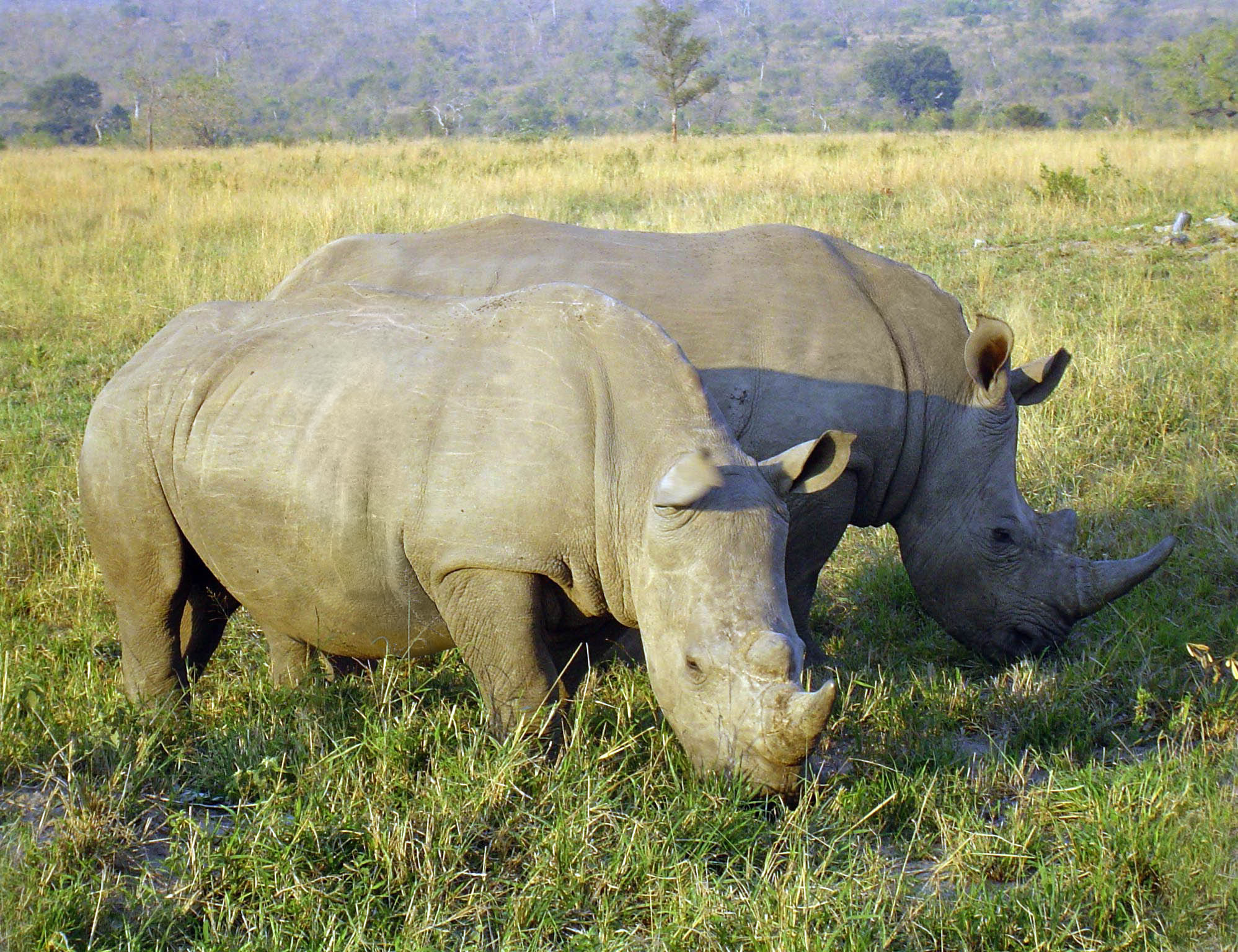
South Africa — three capitals, twelve World Heritage properties, two oceans
South Africa counts three capitals, eleven official languages and 62 million people. No other country in Africa packs in so much variety.
The variety is the point, and it is also the problem for anyone trying to see the country in a single trip. South Africa holds a flat-topped mountain that looks over a modern city, a desert where the oldest rocks on Earth lie exposed, a crater left by the largest asteroid impact ever found, and a prison island where a man spent eighteen years before becoming president. It holds two oceans, nine provinces, and more World Heritage properties than any other country in Africa. The only honest way to visit it is to choose a part of it, and this guide starts with the whole, so the choice is an informed one.
The country is young as a democracy and old as a landscape, and both facts matter. The democratic state dates from 1994, when the first election open to all citizens brought Nelson Mandela to the presidency. The landscape dates from billions of years, and the fossils in its caves and the rocks of its mountains are among the oldest evidence of life on the planet. The sections below take the country in order: the land and its climates, the history that made it, and the practical side of travelling through it.
Quick Facts
- Country: South Africa, at the southern tip of Africa
- Capitals: Pretoria for the executive, Cape Town for the legislature, Bloemfontein for the judiciary
- Area: 1,221,037 square kilometres
- Population: 62,027,503 at the 2022 census
- Provinces: nine, from the Western Cape to Limpopo
- Official languages: eleven, including Zulu, Xhosa, Afrikaans and English
- Currency: South African rand
- Time zone: South African Standard Time, two hours ahead of Greenwich Mean Time
- World Heritage properties: twelve, seven cultural, four natural and one mixed
- Neighbours: Namibia, Botswana, Zimbabwe, Mozambique, Eswatini and Lesotho
Geography of South Africa
South Africa covers 1,221,037 square kilometres, which makes it the largest country in southern Africa and about five times the size of the United Kingdom. Its shape is a broad wedge, wide along the northern border and narrowing to a point at Cape Agulhas, the southernmost tip of Africa, where the Atlantic and Indian Oceans meet. The country is bordered by Namibia to the north-west, Botswana and Zimbabwe to the north, and Mozambique and Eswatini to the north-east, while Lesotho sits entirely inside its borders as an enclave. The coastline runs for nearly 3,000 kilometres, from the desert shore of the Northern Cape to the subtropical beaches of KwaZulu-Natal.
The land rises from the coast in a series of steps, and the pattern shapes everything else. A narrow coastal plain gives way to the Great Escarpment, a wall of mountains that runs in a great arc around the interior plateau, and behind the escarpment lies the Highveld, the high grassland that holds Johannesburg and Pretoria at more than 1,500 metres above sea level. The highest ground is the Drakensberg, along the eastern edge of the escarpment, where the peak of Mafadi reaches 3,450 metres on the border with Lesotho. The escarpment catches the rain that falls on the coast, and the interior beyond it is dry.
That dryness defines the Karoo, the great semi-desert that covers much of the interior. The Karoo is a place of flat-topped hills, wide skies and scattered sheep farms, and it is beautiful in a stark way that surprises visitors who expect Africa to be green. To the west of the Karoo, the land grows drier still, into the Kalahari sands of the Northern Cape and the Namib Desert along the Atlantic coast, where the ǂKhomani San people live in a landscape of red dunes. To the east, the land grows wetter, with the subtropical coast of KwaZulu-Natal and the green hills of the Eastern Cape.
The climate of South Africa is not one climate but several, and the country is best understood as two halves that work on opposite seasons. The south-western Cape has a Mediterranean climate, with wet winters and dry summers, so Cape Town is at its best from November to March, when the days are long and the rain stays away. The rest of the country has summer rainfall, with hot wet summers and dry sunny winters, so the safari country of the north-east is at its best from May to September, when the grass is short and the animals gather at the waterholes. A traveller who wants both the Cape and a safari needs to pick a season that suits one of them and accept the other as it comes.
The plant life of the country is extraordinary, and the Cape Floral Region is the proof. The fynbos, the shrubland of the Western Cape, holds more plant species than the whole of the United Kingdom, and a large share of them grow nowhere else on Earth. The region was inscribed as a World Heritage property in 2004, and its eight component sites run from the Cederberg to the Garden Route. The animal life is just as rich: the Kruger National Park, established in 1926, covers about 19,623 square kilometres in the north-east, and it holds lions, elephants, leopards, rhinos and buffalo in numbers that no other park in Africa can match.
The people of South Africa are as varied as the land, and the 2022 census counted 62,027,503 of them. Gauteng, the smallest province, holds the most people, with about 15 million residents, while the Northern Cape, the largest province, holds the fewest, with about 1.3 million. Eleven languages hold official status, and the largest first languages are Zulu, Xhosa and Afrikaans, with English spoken widely as the language of business and government. The cities are the economic heart of the country, and Johannesburg, Cape Town and Durban hold most of its wealth, while much of the rural population lives in the former homelands of the east.
The economy of South Africa is the most developed in Africa, built on mining, manufacturing, finance and tourism. The gold and diamonds that built Johannesburg are still mined, though they matter less than they once did, and the country now earns more from platinum, coal and iron ore. The ports of Durban and Cape Town handle the trade of the whole region, and the wine farms of the Western Cape and the fruit farms of the valleys export around the world. Tourism is a growing part of the economy, and the country received millions of visitors a year before the pandemic, drawn by the wildlife, the mountains and the cities.
History of South Africa
The human history of South Africa begins further back than almost anywhere else on Earth. The caves of the Cradle of Humankind, north-west of Johannesburg, have yielded fossils of early human ancestors that are millions of years old, and the Sterkfontein caves alone have produced more early hominin fossils than any other site in the world. The San people, the hunter-gatherers of the region, lived across the whole of southern Africa for thousands of years, and their rock art still covers the cliffs of the Drakensberg and the Cederberg. The Khoi herders followed, and then the Bantu-speaking farmers, who moved south from central Africa over the last two thousand years and built kingdoms in the east and the north.
Europeans arrived in 1652, when the Dutch East India Company built a supply station at the Cape of Good Hope under Jan van Riebeeck. The station grew into a colony, and the Dutch settlers, who became known as Afrikaners, moved inland as farmers, pushing east and north across the land. Britain took the Cape in 1806, during the Napoleonic wars, and the tension between the British and the Afrikaners shaped the next century. In the 1830s, thousands of Afrikaners left the Cape on the Great Trek, moving north and east in ox wagons to found their own republics, and the move set off wars with the Zulu kingdom and with the other peoples of the interior.
The discovery of diamonds at Kimberley in 1867 and gold on the Witwatersrand in 1886 changed the country for good. The mines drew workers from across southern Africa and capital from London, and they built the cities of Kimberley and Johannesburg in a single generation. The struggle for control of the goldfields led to the Second Boer War of 1899 to 1902, in which Britain defeated the two Boer republics at great cost. In 1910 the four colonies were joined into the Union of South Africa, a self-governing dominion in which only white citizens could vote.
The Union grew richer on its mines, and it grew more divided by race. In 1948 the National Party won power on a programme of apartheid, a system of laws that separated the races in every part of life, from where people could live to which bench they could sit on. Black South Africans were stripped of their citizenship in their own country and assigned to homelands, and the pass laws controlled their movement. The African National Congress, founded in 1912, led the resistance, and the Sharpeville massacre of 1960, the Soweto uprising of 1976 and the long imprisonment of Nelson Mandela on Robben Island became known around the world.
The system held for four decades, and then it fell apart in a few short years. International sanctions, internal resistance and the end of the Cold War pushed the government of F W de Klerk to release Mandela in February 1990 and to open negotiations for a new constitution. In April 1994, South Africans of all races voted in the first democratic election, and Mandela became president of a country that had never before belonged to all of its people. The Truth and Reconciliation Commission, chaired by Desmond Tutu, heard the testimony of victims and perpetrators, and the new constitution, adopted in 1996, is one of the most progressive in the world.
The years since 1994 have been mixed, and the country is honest about that. The new democracy brought political freedom, a free press and a constitutional court that has struck down laws passed by the government itself. It also inherited deep inequality, high unemployment and a legacy of poor education, and the economy has struggled to grow fast enough to absorb the young population.
The country has held six democratic elections, and power has changed hands peacefully at every level. The story of South Africa is still being written, and the visitors who come now see a country that is neither the paradise of the brochures nor the disaster of the headlines, but a real place working through its history in the open.
The World Heritage story of South Africa runs alongside the political one, and it is unusually rich. The country ratified the World Heritage Convention on 10 July 1997, and its first two properties were inscribed in 1999: the Fossil Hominid Sites, with the Sterkfontein caves, and the iSimangaliso Wetland Park, on the KwaZulu-Natal coast. Robben Island followed in the same year, and the Maloti-Drakensberg Park, shared with Lesotho, was inscribed in 2000 as the country’s only mixed property. Mapungubwe, the Cape Floral Region, the Vredefort Dome, the Richtersveld, the ǂKhomani Cultural Landscape and the Barberton Makhonjwa Mountains followed over the next two decades, and in 2024 two more properties were added: the Mandela Legacy Sites, with fourteen components, and the Pleistocene Occupation Sites, with three.
Travel to South Africa
South Africa is a large country, and the first decision is which airport to fly into. O R Tambo International Airport, outside Johannesburg, is the main gateway, with direct flights from Europe, the Middle East, Asia and the Americas, and it connects to every city in the country. Cape Town International Airport is the second gateway, and it suits travellers who want to start in the Western Cape, while King Shaka International Airport outside Durban serves the KwaZulu-Natal coast. Internal flights are frequent and cheap by international standards, and most visitors fly between the regions rather than driving the whole way.
The classic way to travel is by car, and the roads are good. The Garden Route, along the southern coast from Cape Town to Port Elizabeth, is the most popular drive, and it takes about five days at a comfortable pace, with stops at Hermanus, Knysna and the Tsitsikamma forest. The Panorama Route, in Mpumalanga, runs along the edge of the escarpment above the Kruger, and it holds the Blyde River Canyon and the viewpoints of God’s Window. Driving is on the left, the distances are large, and a rental car from the airport is the usual choice for independent travellers.
The Baz Bus is the alternative for travellers who do not want to drive, and it is worth knowing about. The bus runs a hop-on, hop-off route between Cape Town and Johannesburg, along the coast and through the Drakensberg, and it stops at the backpacker lodges along the way. It suits younger travellers and first-time visitors, and it removes the worry of driving on unfamiliar roads. The long-distance coaches, such as Intercape, run the same routes for less money and with fewer stops, and the trains are scenic but slow.
A safari is the centrepiece of most trips, and the Kruger National Park is the obvious choice. The park is about 19,623 square kilometres, and it holds the full range of African wildlife, including the Big Five, while a short flight from Johannesburg reaches Victoria Falls on the Zambezi. Visitors can drive themselves through the park on paved roads, staying in the rest camps run by the national parks service, or they can stay in a private lodge in one of the reserves on the park’s western edge, where the guides drive and the animals come closer. The dry winter, from May to September, is the best time for a safari, because the grass is short, the trees are bare, and the animals gather at the waterholes.
The risk in South Africa depends on where the traveller stands. The safari lodges and the national parks are fenced, gated and guarded, and the gates close at sunset, so the night is spent inside the reserve. The Garden Route towns and the winelands are quiet, and the risk rises in the city centres after dark, above all in the townships and around the stations. The rule that covers the whole country is simple: travel in daylight, use a taxi or a ride-hailing car at night, and take a guide where the guidebooks say to take one.
Money is straightforward. The currency is the rand, and cards are accepted almost everywhere, from the petrol stations to the safari lodges, so travellers need little cash. ATMs are common in the cities and towns, and the exchange rate makes South Africa good value for visitors from Europe and North America. Tipping is expected in restaurants, usually about ten percent, and the national parks and museums charge entrance fees that are higher for foreign visitors than for South African residents.
Notable Places in South Africa
Cape Town. The legislative capital sits at the foot of Table Mountain, on a peninsula between two oceans, and it is the most beautiful city in the country. The waterfront, the beaches of Clifton and Camps Bay, and the cable car to the top of the mountain are the obvious sights, and the townships and the District Six Museum tell the harder history. Cape Town is the starting point for the Garden Route and the winelands, and most visitors spend at least three days here.
Table Mountain. The flat-topped mountain that dominates Cape Town is the centrepiece of a national park that runs the length of the peninsula. The cable car reaches the summit in a few minutes, and the plateau on top holds fynbos found nowhere else on Earth. The mountain is part of the Cape Floral Region World Heritage property, and its slopes hold the Kirstenbosch botanical garden, one of the finest in the world.
Johannesburg. The largest city in the country is the economic capital, and it is also the best place to understand the history of South Africa. The Apartheid Museum, Constitution Hill and Soweto tell the story of the struggle, and the Cradle of Humankind, an hour to the north-west, holds the fossils that made the country famous. Johannesburg is the gateway for most visitors, and it deserves three days rather than a single night.
Kruger National Park. The park, established in 1926, is the largest game reserve in South Africa and one of the largest in Africa. Its 19,623 square kilometres hold the Big Five and hundreds of other species, and visitors can drive themselves through it or stay in a private lodge. The dry winter is the best season, and the park needs at least three days to do it justice.
Robben Island. The island in Table Bay, off Cape Town, held Nelson Mandela for eighteen of his twenty-seven years in prison, and it was inscribed as a World Heritage property in 1999. The ferries run from the waterfront, and the tours are led by former political prisoners, who tell the story of the island in their own words. The visit takes half a day, and it is the most moving experience in the country.
Garden Route. The coastal road from Cape Town to Port Elizabeth runs through Hermanus, Knysna and the Tsitsikamma forest, and it is the most popular drive in South Africa. The route holds whale watching, lagoon towns, ostrich farms and the forests of the southern Cape, and it takes about five days at a comfortable pace. The route suits self-drivers, and the small towns along it hold the best guesthouses in the country.
Drakensberg. The mountain wall along the eastern edge of the escarpment holds the highest peaks in southern Africa, and its sandstone cliffs are covered in San rock art. The Maloti-Drakensberg Park, shared with Lesotho, is a mixed World Heritage property, inscribed in 2000, and it holds hiking trails, rock art sites and the amphitheatre of the northern Drakensberg. The mountains are best visited in the dry winter, when the skies are clear and the trails are dry.
Frequently Asked Questions
How many days do I need in South Africa?
Two weeks cover the country at a reasonable pace, with a few days in Cape Town, a few days on the Garden Route, and three or four days on safari in the Kruger. Ten days work for the Cape and the Kruger alone, without the Garden Route. Less than a week means choosing one region, and Cape Town on its own is the best choice for a short trip.
When is the best time to visit South Africa?
The country has two opposite seasons, and the best time depends on which half of the trip matters most. The dry winter, from May to September, is best for a safari, because the grass is short and the animals gather at the waterholes. The Cape summer, from November to March, is best for Cape Town, because the days are long and dry and the beaches are warm.
Is South Africa safe for tourists?
The risk varies by region, and the safari country is the calmest part of the trip. The lodges and the parks are guarded, and the Garden Route towns are quiet, while the cities need more care after dark. Stay in the tourist areas, use a taxi at night, and take a guide in the townships.
How many World Heritage properties does South Africa hold?
South Africa holds twelve World Heritage properties, more than any other country in Africa. Seven are cultural, four are natural and one, the Maloti-Drakensberg Park, is mixed and shared with Lesotho. The most recent additions came in 2024, when the Mandela Legacy Sites and the Pleistocene Occupation Sites were both inscribed.
Do I need a visa to visit South Africa?
Many nationalities, including citizens of the European Union, the United Kingdom, the United States, Canada and Australia, can enter South Africa without a visa for up to ninety days. Travellers from other countries may need a visa in advance, and the rules change, so the South African embassy or consulate should be checked before booking. A passport valid for at least thirty days beyond the trip is required, with at least two blank pages.
What currency should I carry in South Africa?
Carry a card and a little cash in rand, and the trip runs smoothly. ATMs stand in the airports and the malls, and the lodges and the parks take cards for meals, fees and tips. Cash is useful in the markets and in the rural areas, where card machines are rarer.
Verified
- South Africa counted 62,027,503 people at the 2022 census, released by Statistics South Africa on 10 October 2023, with Gauteng the most populous province at about 15 million.
- The country holds twelve World Heritage properties: seven cultural, four natural and one mixed, more than any other country in Africa.
- The Fossil Hominid Sites, ref 915, were inscribed in 1999 under criteria (iii) and (vi), and the Sterkfontein caves have yielded more early hominin fossils than any other site in the world.
- The iSimangaliso Wetland Park, ref 914, was inscribed in 1999 under criteria (vii), (ix) and (x), and in July 2025 its boundary was extended into Mozambique to include Maputo National Park, making it a transboundary property of 397,403 hectares.
- Robben Island, ref 916, was inscribed in 1999 under criteria (iii) and (vi), and Nelson Mandela spent eighteen of his twenty-seven years in prison there.
- The Maloti-Drakensberg Park, ref 985, was inscribed in 2000 as the country’s only mixed property, shared with Lesotho, and it covers 249,313 hectares.
- The Vredefort Dome, ref 1162, was inscribed in 2005 under criterion (viii), and it is the largest verified meteorite impact structure on Earth, at about 30,000 hectares.
- The Mandela Legacy Sites, ref 1676, were inscribed in 2024 under criterion (vi) alone, as a serial property of fourteen components, and the Pleistocene Occupation Sites, ref 1723, were inscribed in the same year with three components.
- The Kruger National Park was established in 1926 and covers about 19,623 square kilometres in the north-east of the country.
- South Africa ratified the World Heritage Convention on 10 July 1997, and its tentative list holds two further nominations from 2026.
- The Wikidata entry for South Africa was checked on 23 November 2026: the country is an instance of sovereign state, and its coordinates match the registry.
- The registry flag for South Africa is unesco false, which is wrong: the country holds twelve inscribed World Heritage properties.
Sources
- UNESCO, “South Africa — World Heritage Convention”: https://whc.unesco.org/en/statesparties/za — checked 23/11/2026
- UNESCO, “Fossil Hominid Sites of South Africa”: https://whc.unesco.org/en/list/915/ — checked 23/11/2026
- UNESCO, “Robben Island”: https://whc.unesco.org/en/list/916/ — checked 23/11/2026
- UNESCO, “Vredefort Dome”: https://whc.unesco.org/en/list/1162/ — checked 23/11/2026
- Wikidata, Q258 (South Africa): sovereign state, coordinates -29, 24 — checked 23/11/2026
- Statistics South Africa, Census 2022 results, released 10 October 2023
Unverified
- The exact number of visitors South Africa received in the most recent year, which is published by the national tourism board and changes annually.
- The exact size of the ǂKhomani Cultural Landscape in current use, which is given as 959,100 hectares in the UNESCO listing and may include areas under different management.
- Current visa rules for individual nationalities, which change and should be checked with the South African embassy or consulate before booking.
- Current hotel, lodge and restaurant prices in South Africa, which change by season and should be checked directly with the provider before travel.
Illustrations
- Hero: South Africa. Free image: https://upload.wikimedia.org/wikipedia/commons/3/36/Rhinoceros_in_South_Africa_adjusted.jpg — Public domain.