TThe Terra Atlastheterraatlas.com
LANGUAGEENFRDEESJAVI

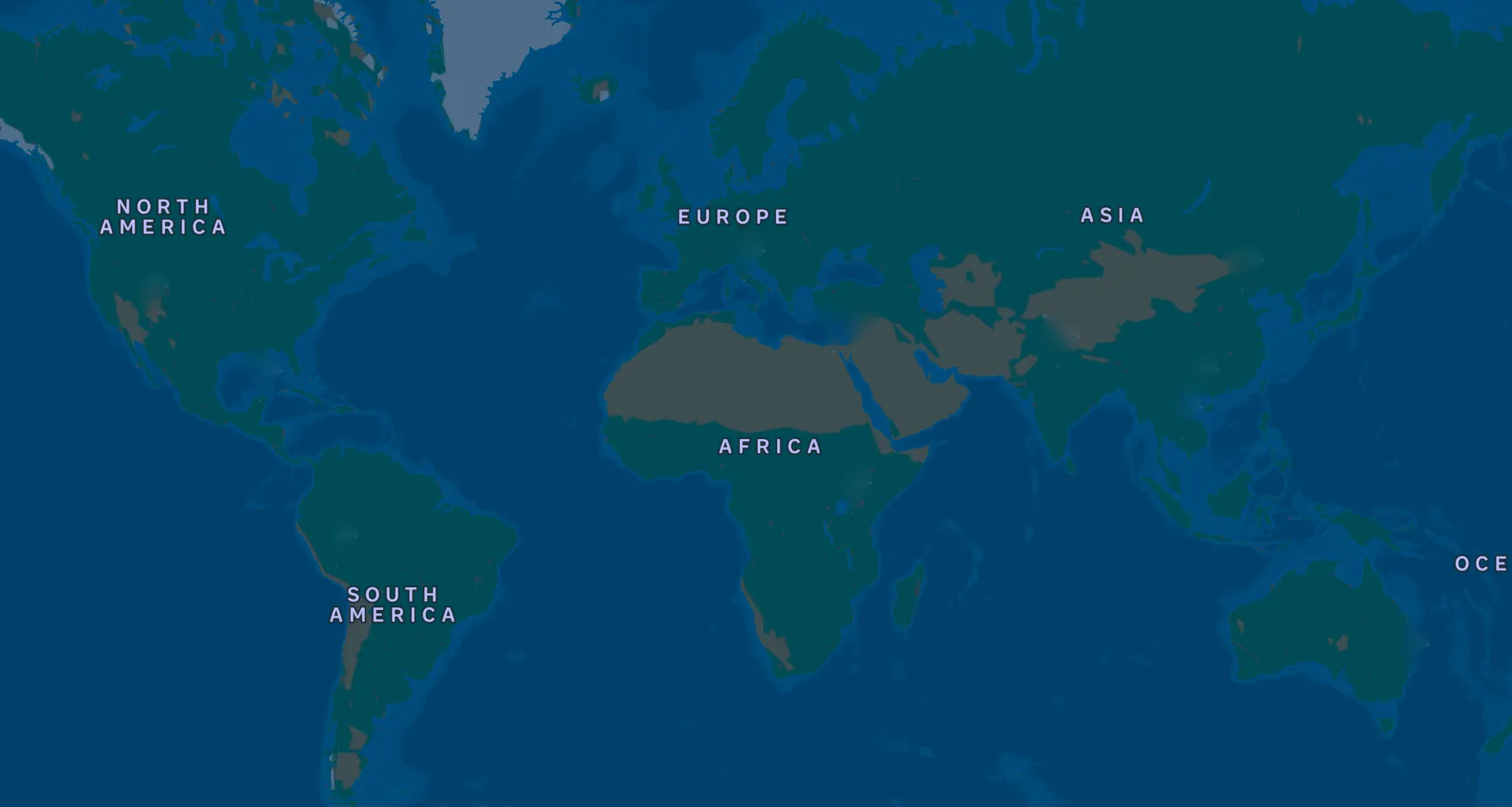
Touch the map, open the world

The map is the centre, and every pin is a story. Tap a pin to read 3 layers — Geography, History, Travel — right there, without leaving the map.

1,273UNESCO World Heritage sites (2026)
195Countries
173Countries with UNESCO sites
2,972Published articles
ContinentType
Bản đồ thế giới
© OpenStreetMap contributors, Map Data Legal Notices (https://www.openstreetmap.org/copyright)
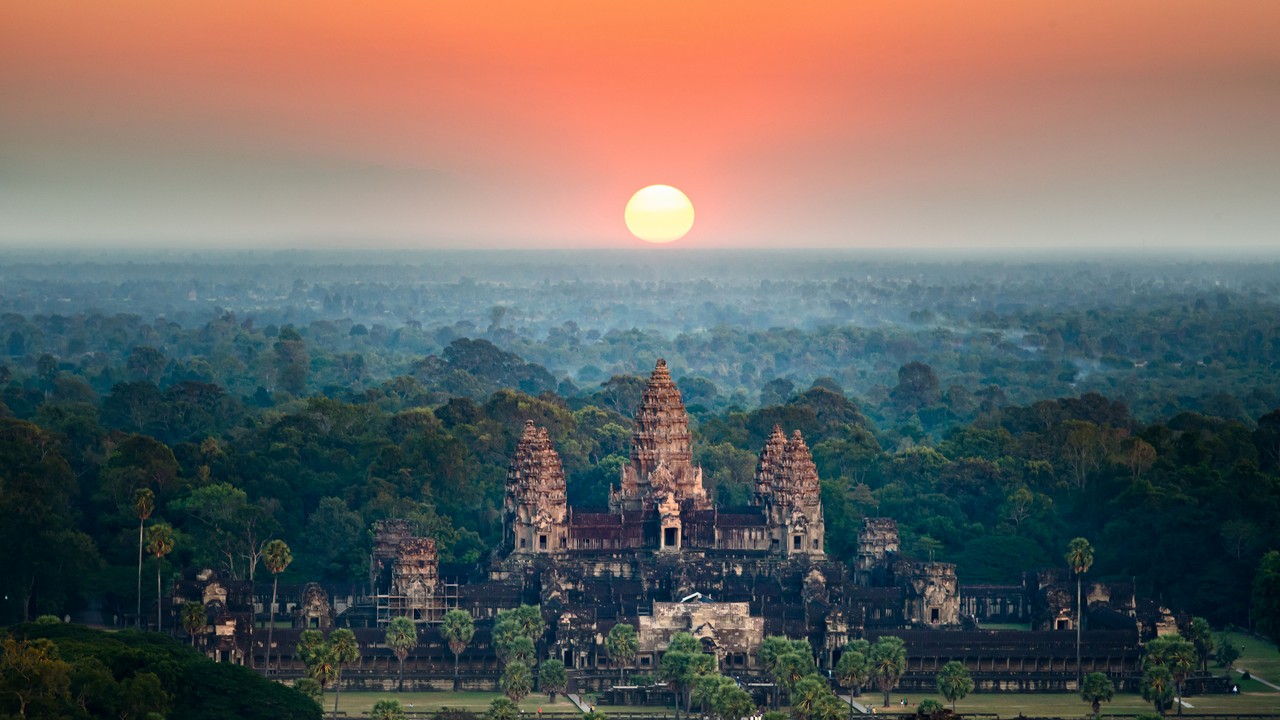
Angkor Wat at sunrise in Cambodia
★ UNESCO 1992 Cambodia · Siem Reap

1. Angkor Wat

The world's largest temple-mountain of the Khmer Empire

◈ Geography

On the Tonlé Sap floodplain, with a 190 m-wide moat and a 65 m central tower symbolising Mount Meru; the archaeological park covers ~400 km².

◈ History

Built by Suryavarman II in the early 12th century for Vishnu; later became a Buddhist temple and was never completely abandoned.

◈ Travel

Fly to Siem Reap, then 7 km to the temple. Best at sunrise; Angkor Pass 1/3/7 days: 37/62/72 USD (prices in effect since 2017 — please re-check before travelling).

Storytelling

Featured story

After touching the map, readers are led into a story with big photography, people and a journey — before returning to look up the facts like an encyclopedia.

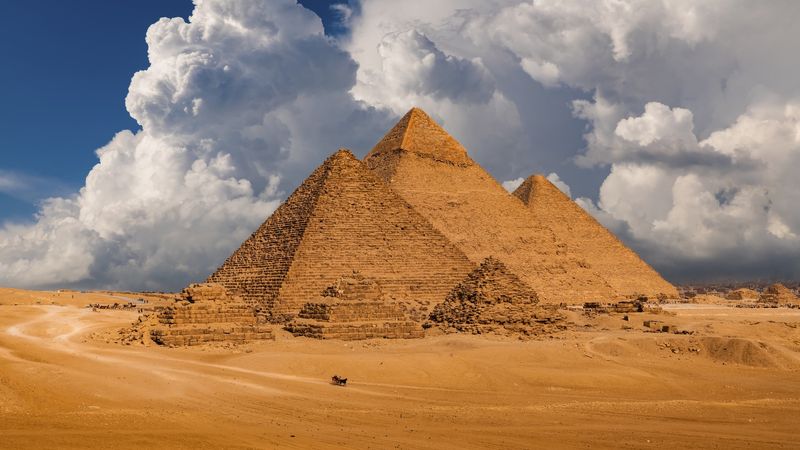
The three pyramids of Giza on the Egyptian desert under a blue sky

Pyramids of Giza — The only wonder of the ancient world still standing

A limestone plateau on the west bank of the Nile, at the edge of the Sahara; Khufu's pyramid stood 146.6 m tall when built ~4,500 years ago. Tombs of the pharaohs Khufu, Khafre and Menkaure from the Old Kingdom, around 2560 BC.

Go early to beat the desert heat; combine with the new Grand Egyptian Museum nearby and the Sphinx below the plateau.
Read the full story →
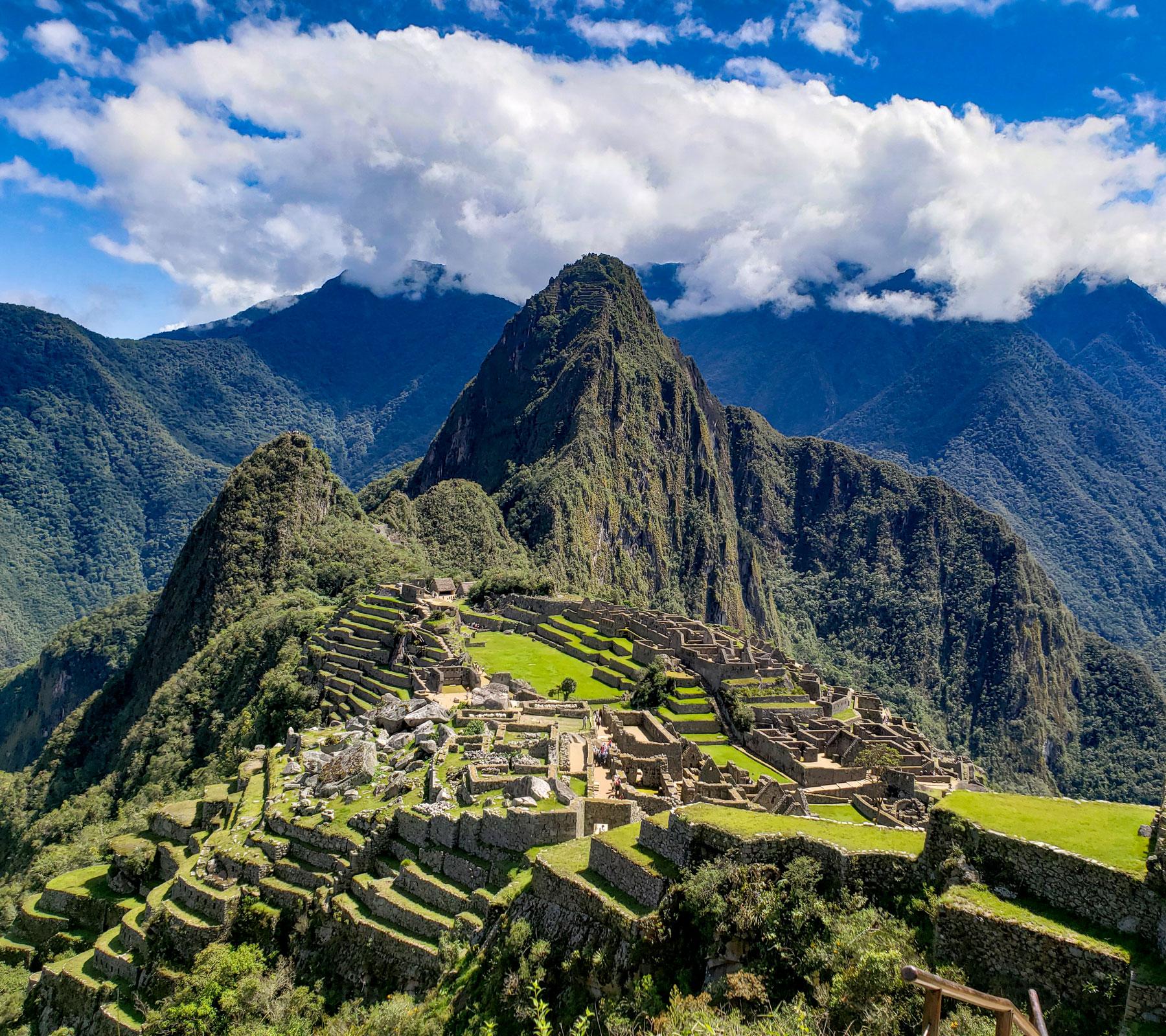
The stone city of Machu Picchu in the Andes, Peru
Peru · UNESCO 1983

Machu Picchu — the city no one found for 500 years

The Spanish conquered the whole Inca Empire without ever knowing this place existed. It was never destroyed — it was simply hidden by the clouds.

◈ GeographyOn an Andes ridge between the Machu and Huayna Picchu peaks, above the Urubamba River valley, wrapped in cloud forest all year.
◈ HistoryEmperor Pachacuti built it around 1450 as a royal estate; it became widely known after Hiram Bingham's 1911 expedition.
◈ TravelTickets are timed and sell out weeks ahead; take the train to Aguas Calientes, then the bus up the mountain. Dry season: May–September.

Read the full story →

Việt Nam · UNESCO 1994 & 2023

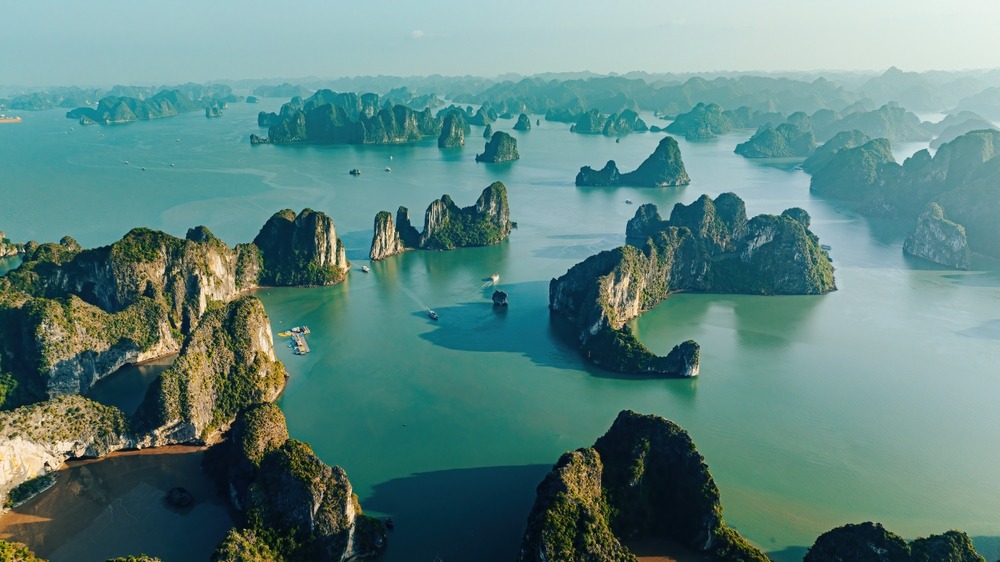
Ha Long Bay — where the dragons came down to the sea

Almost 2,000 limestone islands rising from emerald water — a 300-million-year-old landscape that legend says a mother dragon and her children created.

◈ GeographyA 1,553 km² bay in north-eastern Vietnam; its karst towers formed over ~300 million years of weathering and sea-level change.
◈ HistoryThe name recalls the legend of dragons descending to the sea; the Bach Dang victories of 1288 were won in the estuary right beside the bay.
◈ TravelAn overnight cruise is the fullest way to see the bay; ~2.5 hours by expressway from Hanoi. Best from October to December.

Read the full story →

Ha Long Bay from above, with hundreds of limestone islands

3 themed heritage journeys

Travel by theme rather than only by country — each journey links the atlas's places into one continuous reading and travelling route.

Kim tự tháp Giza, Ai Cập
7–10 DAYS

Ancient civilisations

From pharaohs' tombs to the Nabataean rock city and the Maya stone calendar.

  1. Giza — Egypt (2560 BC)
  2. Petra — Jordan
  3. Chichén Itzá — Mexico
Taj Mahal, Ấn Độ
5–7 DAYS

Architectural wonders

Buildings that redefined what humans could build in their age.

  1. Taj Mahal — India
  2. Colosseum — Rome, Italy
  3. Great Wall — China
Vịnh Hạ Long, Việt Nam
6–9 DAYS

Grand nature

Geology and wilderness at a scale that makes humans feel small.

  1. Ha Long Bay — Vietnam
  2. Grand Canyon — United States
  3. Serengeti — Tanzania

Interactive history timeline

Tap each milestone to see how that place changed the world — the History layer shared by every place page.

Giza — Egypt
~2560 BC — Giza — Egypt

The Great Pyramid of Khufu is completed on the plateau west of the Nile. The only wonder of the ancient world still standing today opens the atlas's timeline.

Encyclopedia

The world in numbers

A quick-reference section for readers who like facts: the scale of the atlas, the structure of UNESCO heritage and the rankings — checked against UNESCO sources after the 48th session (Busan, July 2026).

195Countries in the atlas — 193 UN member states + 2 observer states
1,273UNESCO World Heritage sites — across 173 countries
991 · 240 · 42Cultural · Natural · Mixed — totalling 1,273 sites
58Sites on the Danger List (UNESCO, close of the 48th session, July 2026)

Sites on the Danger List carry a warning label on their own page — as UNESCO WHC does — together with the storytelling History layer and the practical Travel layer that UNESCO does not provide.

Countries with the most UNESCO sites

CountrySites
Italy62
China61
France56
Germany55
Spain50
India45
Mexico36
Vietnam9

Largest countries by total area

CountryTotal area
Russia17.10M km²
Canada9.98M km²
United States9.83M km²
China9.60M km²
Brazil8.52M km²
Australia7.74M km²
Vietnam (rank 66)331,212 km²

Sources: UNESCO World Heritage Centre — the World Heritage List after the 48th session (Busan, July 2026); CIA World Factbook for total areas. Figures checked 16 November 2026.

World Heritage

UNESCO wonders — filter by region & criteria

1,273 sites in 173 countries (UNESCO, after the July 2026 session). Filter the 12 places below by continent and by Cultural / Natural / Mixed criteria — the same way UNESCO organises its list.

Region
Criteria— 12 / 12 places
Angkor Wat at sunrise in Cambodia
★ UNESCO 1992 · CULTURAL

Angkor Wat

The world's largest temple-mountain of the Khmer Empire. On the Tonlé Sap floodplain, with a 190 m-wide moat and a 65 m central tower symbolising Mount Meru; the archaeological park covers ~400 km².

Cambodia · Siem Reap13.41°, 103.87°
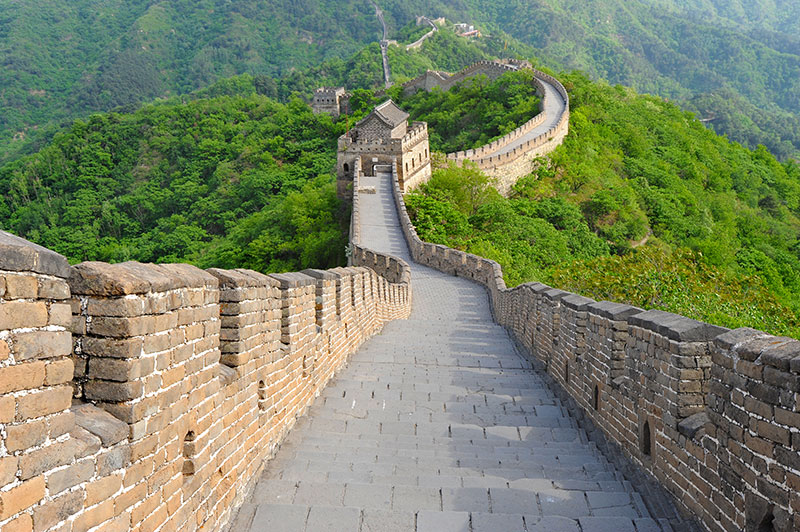
The Great Wall of China at the Mutianyu section
★ UNESCO 1987 · CULTURAL

Great Wall of China

21,196 km of defences built over 2,000 years. It follows the ridgelines along China's historic northern frontier, from the Bohai Sea to the edge of the Gobi; the Mutianyu section lies ~70 km from Beijing.

China · near Beijing40.43°, 116.57°
Ha Long Bay from above, with hundreds of limestone islands
★ UNESCO 1994 · NATURAL

Ha Long Bay

~1,600 limestone islands rising from emerald water. A 1,553 km² bay in north-eastern Vietnam; its karst towers formed over ~300 million years of weathering and sea-level change.

Vietnam · Quang Ninh20.91°, 107.18°
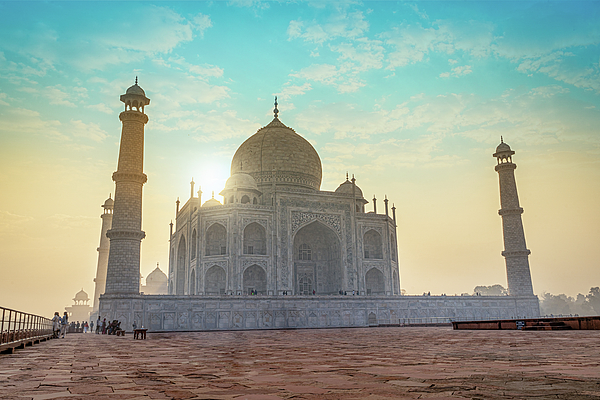
The white marble Taj Mahal at dawn in Agra, India
★ UNESCO 1983 · CULTURAL

Taj Mahal

A white marble mausoleum on the Yamuna River. It stands on the south bank of the Yamuna at Agra; the charbagh garden is laid out in perfect symmetry around a north–south axis.

India · Agra27.18°, 78.04°
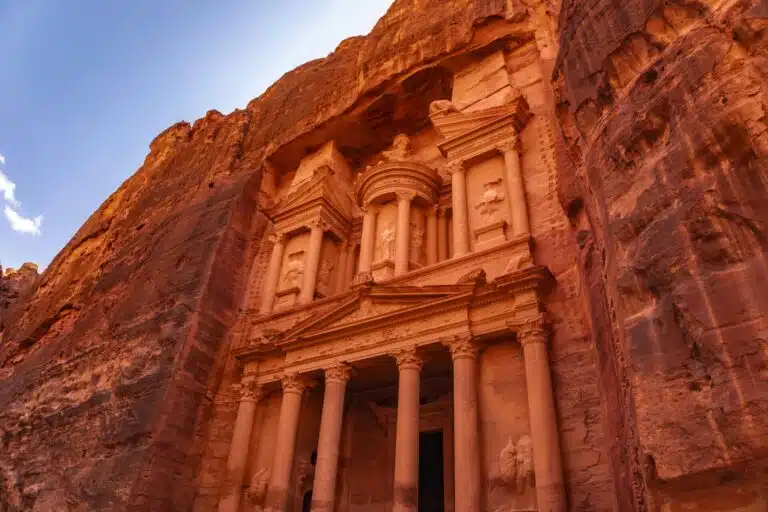
The Treasury (Al-Khazneh) carved into the sandstone cliff at Petra, Jordan
★ UNESCO 1985 · CULTURAL

Petra

A city carved into rose-red desert rock. Hidden in the sandstone mountains of southern Jordan; the only entrance is the Siq, a 1.2 km gorge in places just 3 m wide.

Jordan · Ma'an30.33°, 35.44°
The three pyramids of Giza on the Egyptian desert under a blue sky
★ UNESCO 1979 · CULTURAL

Pyramids of Giza

The only wonder of the ancient world still standing. A limestone plateau on the west bank of the Nile, at the edge of the Sahara; Khufu's pyramid stood 146.6 m tall when built ~4,500 years ago.

Egypt · Giza29.98°, 31.13°
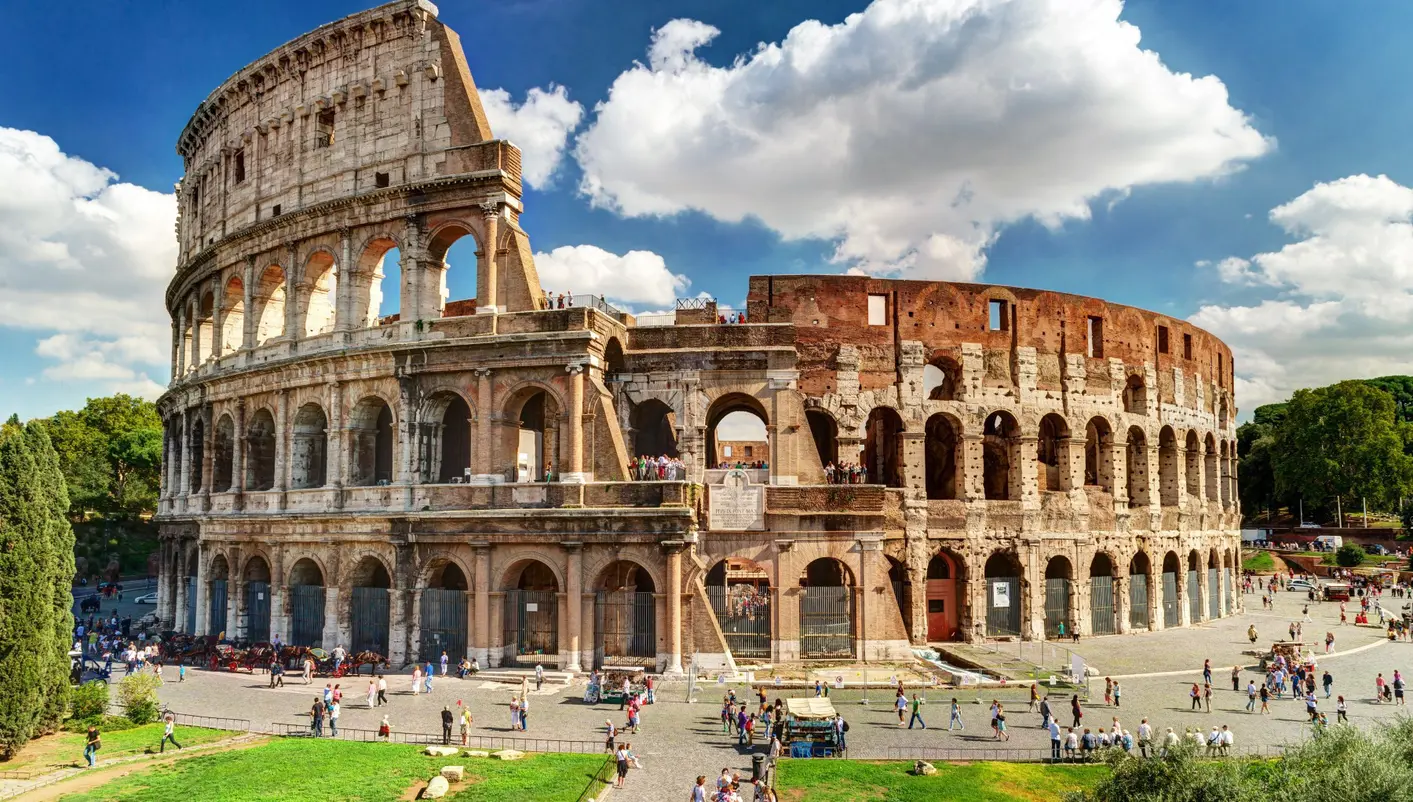
The Colosseum in Rome at sunset
★ UNESCO 1980 · CULTURAL

Colosseum

The 50,000-seat arena of the Roman Empire. It sits in a valley between the Palatine, Esquiline and Caelian hills in central Rome, built over Nero's artificial lake.

Italy · Rome41.89°, 12.49°
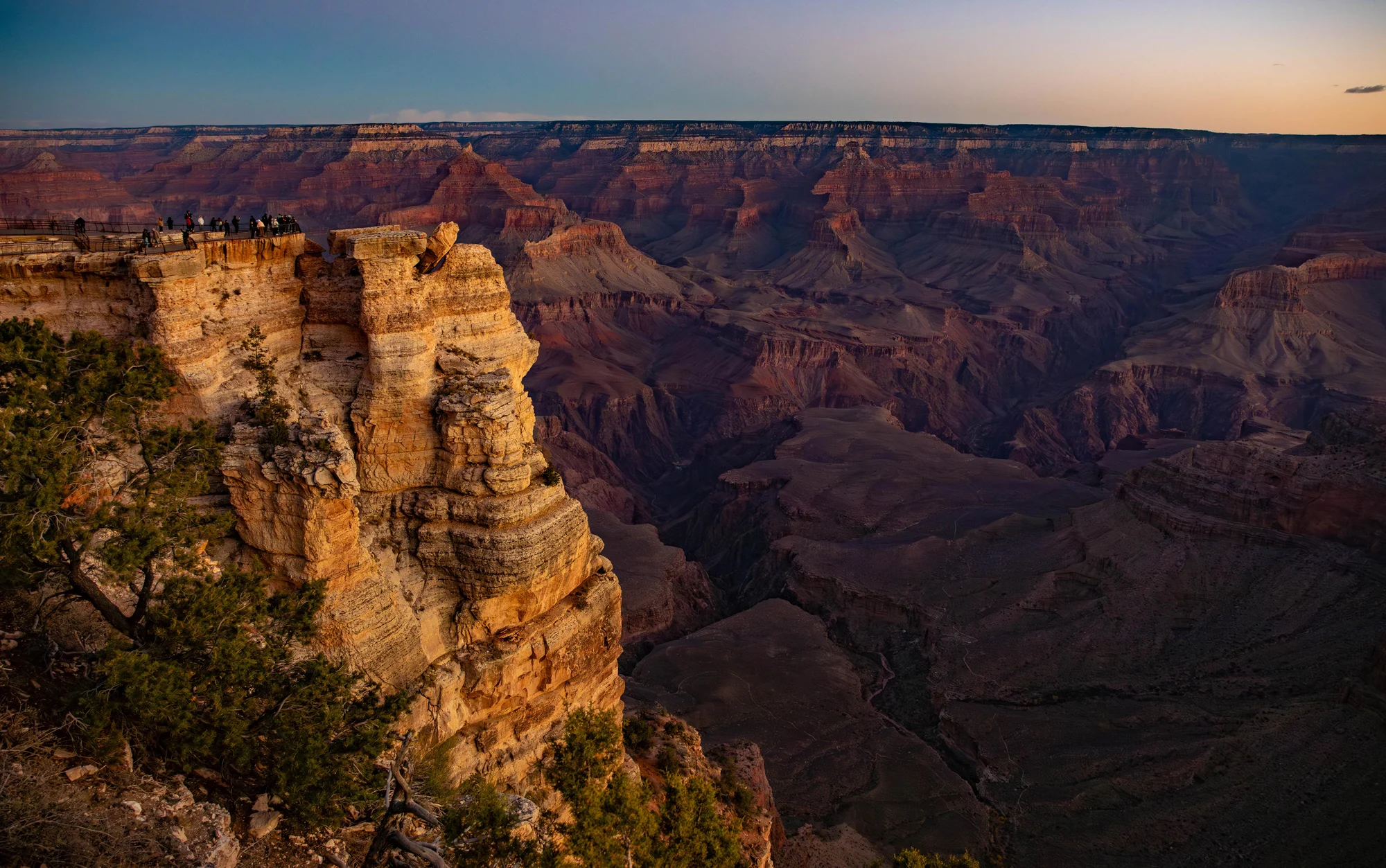
Grand Canyon and the Colorado River in Arizona, USA
★ UNESCO 1979 · NATURAL

Grand Canyon

A canyon exposing 1.8 billion years of geology. 446 km long, up to 29 km wide and about 1,829 m (6,000 ft) at its deepest; the Colorado River cut through the plateau, exposing rock layers up to 1.8 billion years old.

United States · Arizona36.11°, -112.11°
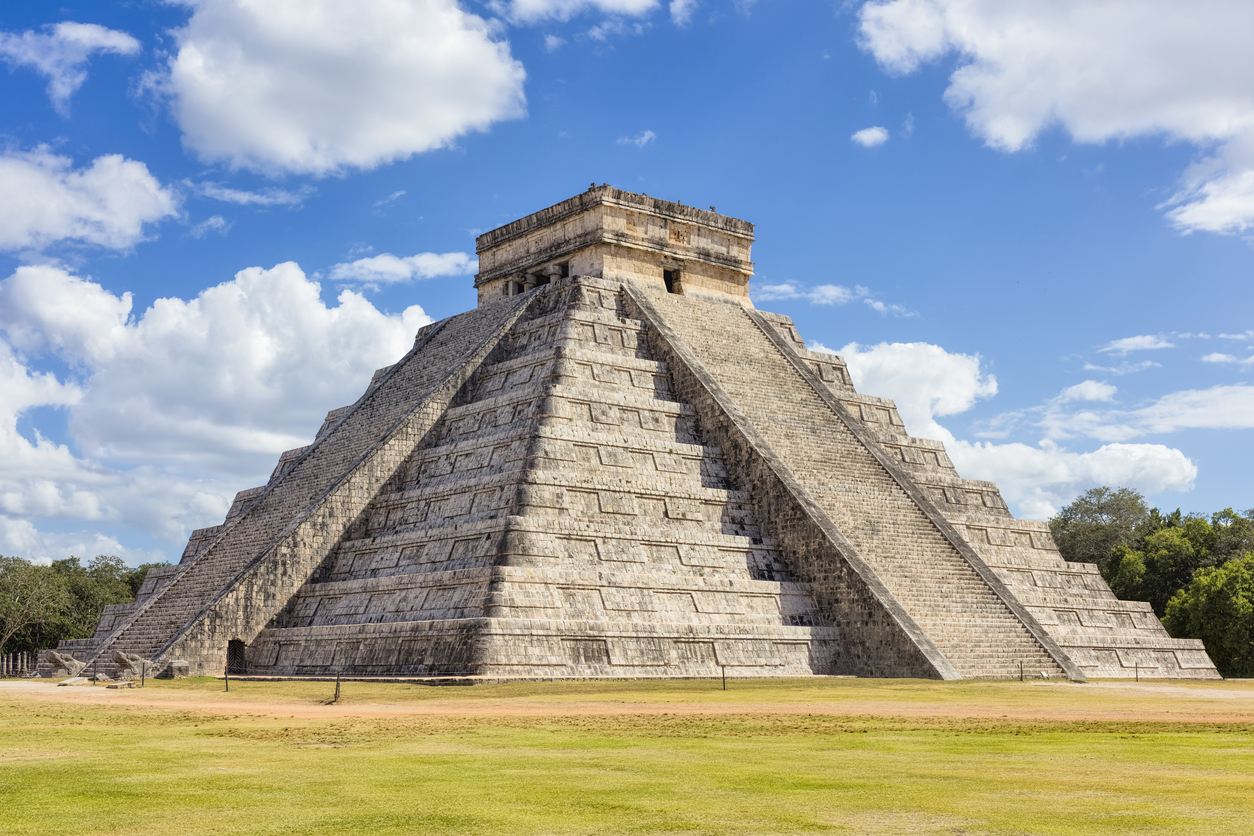
The El Castillo pyramid at Chichén Itzá, Mexico
★ UNESCO 1988 · CULTURAL

Chichén Itzá

A pyramid that works as a stone calendar. Set in the low forest of the Yucatán Peninsula, around the cenote sinkholes that were the city's sacred water sources.

Mexico · Yucatán20.68°, -88.57°
The stone city of Machu Picchu in the Andes, Peru
★ UNESCO 1983 · MIXED

Machu Picchu

An Inca city floating at 2,430 m. On an Andes ridge between the Machu and Huayna Picchu peaks, above the Urubamba River valley, wrapped in cloud forest all year.

Peru · Cusco-13.16°, -72.55°
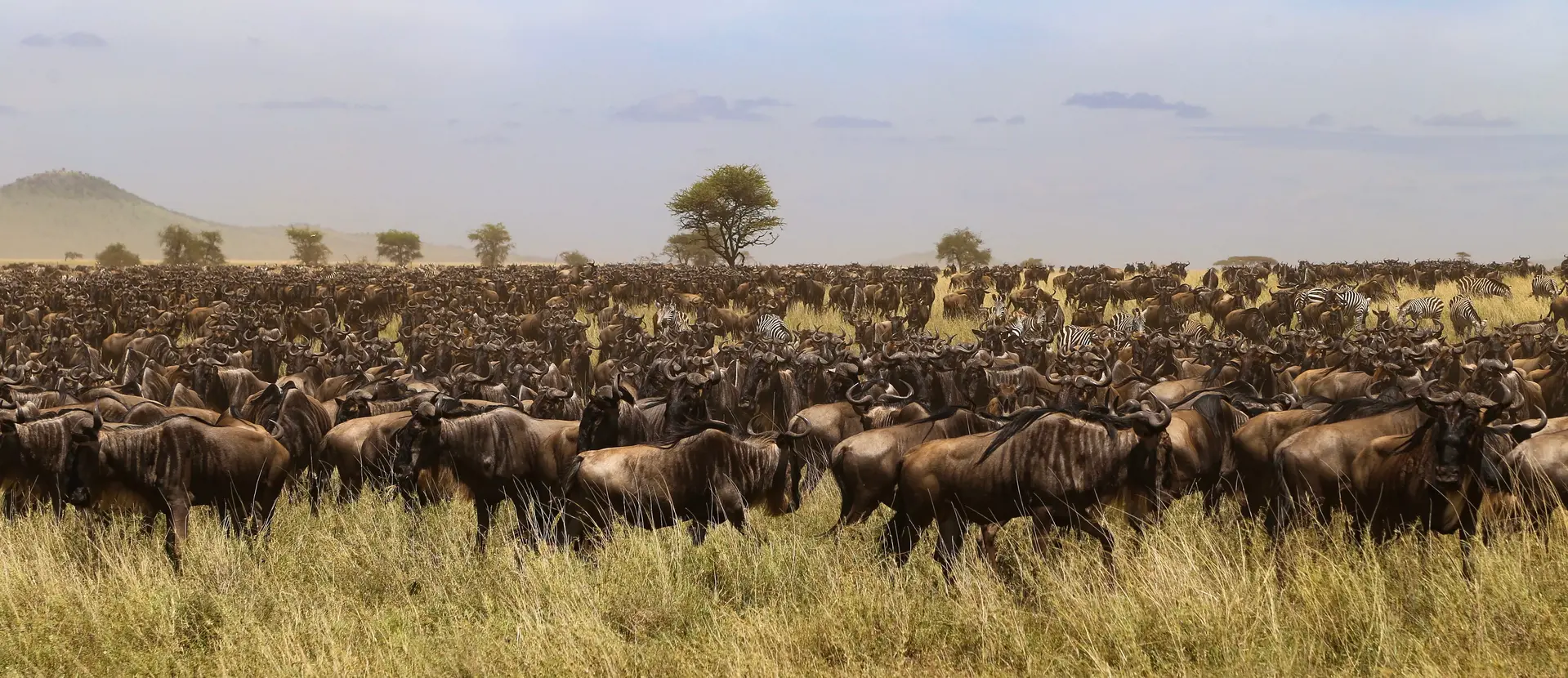
A vast herd of wildebeest on the Serengeti plains, Tanzania
★ UNESCO 1981 · NATURAL

Serengeti

The great migration of 1.5 million wildebeest. A savanna ecosystem of ~30,000 km² spanning Tanzania and Kenya; one of the largest intact grassland ecosystems on Earth.

Tanzania-2.33°, 34.83°
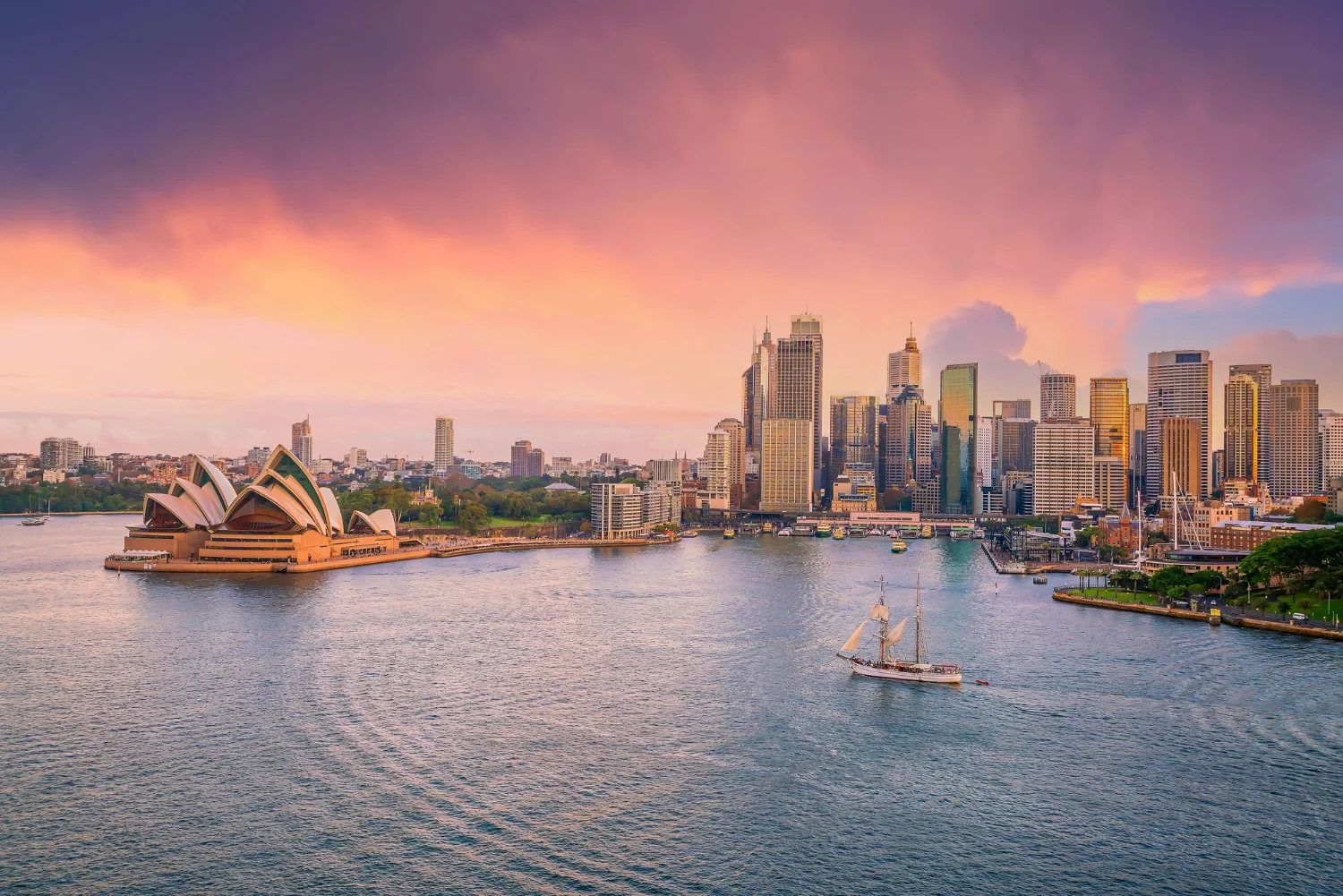
The Sydney Opera House and harbour at sunset, Australia
★ UNESCO 2007 · CULTURAL

Sydney Opera House

Concrete 'sails' on Sydney Harbour. It stands on Bennelong Point jutting into Sydney Harbour; its spherical-geometry roof shells were all derived from a single mathematical model.

Australia · Sydney-33.86°, 151.22°

Place & country pages

12 featured places — 4 full detail pages, 8 summary panels

Angkor Wat, the Great Wall, Machu Picchu and the Vietnam country page have full detail pages in the Geography + History + Travel structure. The other eight places currently have a 3-layer summary panel right on the map — tap a pin or a place name to read it.

Ha Long Bay from above, with hundreds of limestone islands
COUNTRY PAGE

Vietnam

A country page with a quick profile, its 9 UNESCO sites, a history timeline and a practical travel layer.

Open the Vietnam page →
Angkor Wat, Campuchia
★ UNESCO 1992

Angkor Wat

The world's largest temple-mountain — a cultural place page with a 5-milestone timeline.

Open the Angkor Wat page →
The stone city of Machu Picchu in the Andes, Peru
★ UNESCO 1983 · MIXED

Machu Picchu

The lost Inca city in the clouds — a cultural place page with a 3-layer story, map and timeline.

Open the Machu Picchu page →

Learn from the world, build what is missing

Borrow the best — fill the gaps

Atlas Obscura — what we learn

  • A map dense with pins and the thrill of hunting down odd places
  • Community contributions, a curious voice
  • Missing: a scientific geography layer & a systematic timeline

WorldAtlas & UNESCO — what we learn

  • WorldAtlas: map data and country statistics, very strong for SEO
  • UNESCO: authority & the standard heritage dossiers
  • Missing: a seamless discovery experience; the practical travel layer is thin

The Terra Atlas — what we build new

  • Every place = 3 fixed layers: Geography → History → Travel
  • A history timeline attached right to each place's profile
  • UNESCO / continent / type filters right on the main map

Language strategy

One atlas, 6 languages

Five international languages get their own keyword research for each search market. Vietnamese is translated from the master edition — no separate keyword research. This atlas now runs in all 6 languages: use the EN / FR / DE / ES / JA / VI switch at the top to change the whole page.

EN

English

OWN KEYWORD RESEARCH

The atlas's master language and the largest search market. Every programmatic page formula starts from EN.

FR

Français

OWN KEYWORD RESEARCH

France + the Francophone world — a very strong heritage & cultural-travel readership.

DE

Deutsch

OWN KEYWORD RESEARCH

Germany is a major outbound-travel market; German geography keywords have their own compound-word structure and need independent research.

ES

Español

OWN KEYWORD RESEARCH

Spain + Latin America — especially strong for South American places such as Machu Picchu and Chichén Itzá.

JA

日本語

OWN KEYWORD RESEARCH

Japanese readers research heritage very carefully by season; each place name needs keywords in its own kanji/kana forms.

VI

Vietnamese

TRANSLATION ONLY — NO KEYWORD RESEARCH

A full translation of the master edition for Vietnamese readers. No separate keyword set; page structure follows the five international languages.